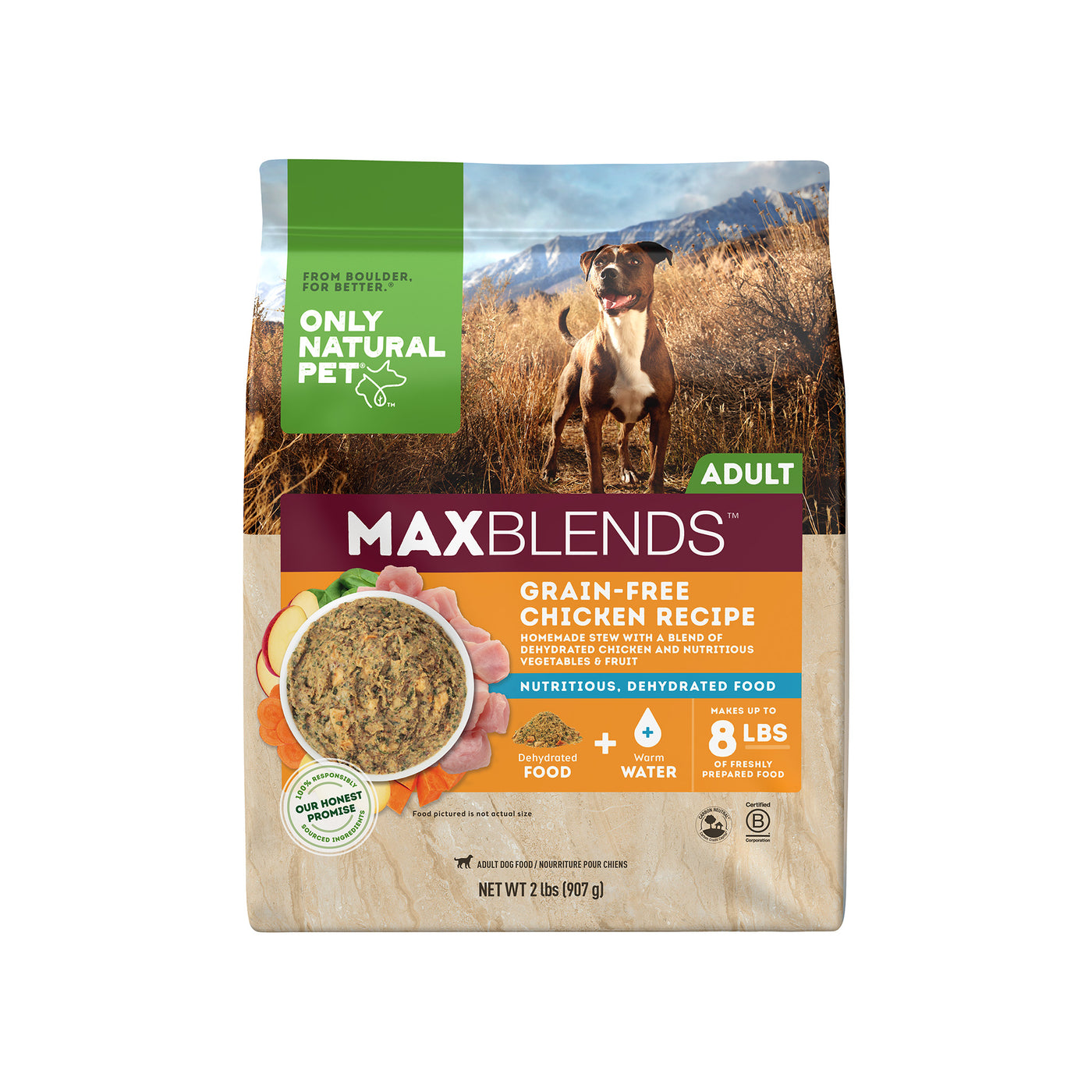
Dehydrated dog food is gently dried food made from real ingredients, then rehydrated with water before serving.
What Is Dehydrated Dog Food? It is a shelf-stable dog food that removes most moisture from meat, grains, vegetables, and added nutrients. This process can help preserve flavor and nutrients while making meals lighter to store. Still, the best choice depends on the recipe, your dog’s health, and how well the food meets complete and balanced nutrition standards.
What Is Dehydrated Dog Food?
Dehydrated dog food is made by slowly removing water from prepared ingredients. The food may contain meat, poultry, fish, vegetables, fruits, grains, vitamins, and minerals. Unlike traditional kibble, it usually is not cooked into hard pellets.
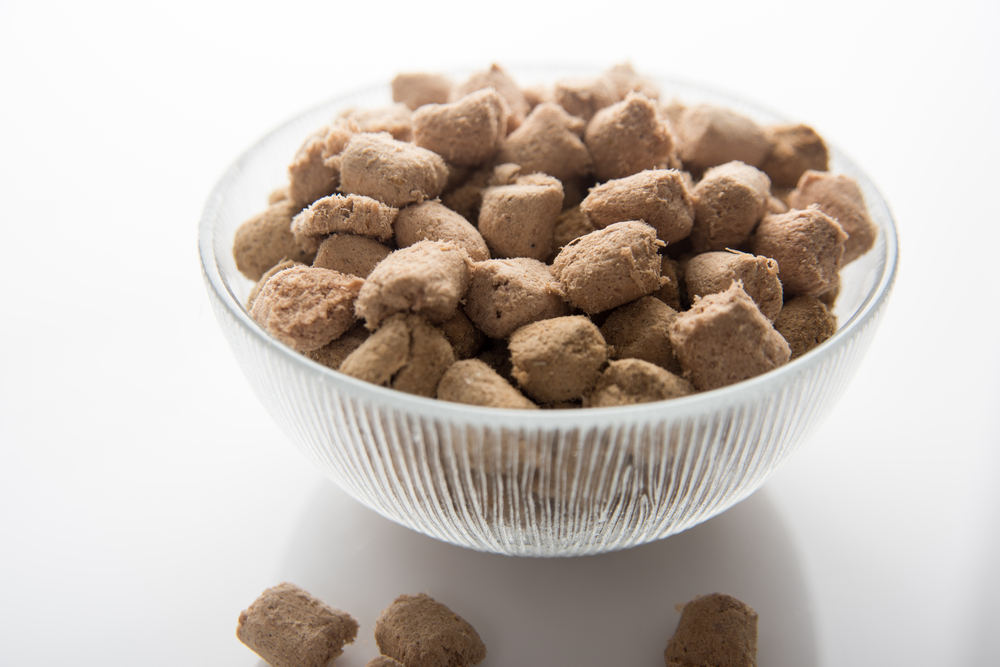
The finished food looks dry and may have a texture similar to crumbs, flakes, or small pieces. You add water before serving. The food then becomes softer and closer to its original form.
Dehydrated dog food is different from freeze-dried dog food. Freeze-drying removes moisture through very low temperatures and a vacuum. Dehydration usually uses gentle heat and moving air.
Both methods create lightweight food, but the processing method, texture, price, and feeding instructions can vary by brand.
How Is Dehydrated Dog Food Made?
The process begins with selected ingredients. Many companies mix raw or cooked meat with vegetables, grains, legumes, oils, vitamins, and minerals. The mixture is then prepared according to the brand’s recipe.
Most dehydrated dog food goes through several basic steps:
- Ingredients are measured and mixed.
- Meat and other foods may be cooked or treated for safety.
- Moisture is removed with controlled heat and airflow.
- The dried food is cooled and packaged.
- The package includes feeding and rehydration instructions.
The goal is to remove water without damaging the food too much. However, heat can affect some nutrients. Responsible manufacturers replace nutrients when needed and test the final recipe.
A dry food label may show a high protein percentage because the product contains little water. To compare it fairly with wet food, look at the guaranteed analysis on a dry matter basis. This gives a clearer view of protein, fat, and fiber levels after moisture is removed.

Benefits of Dehydrated Dog Food
What Is Dehydrated Dog Food good for? For many owners, it offers a balance between fresh food and traditional kibble. It is easy to store but can feel more like a home-style meal after water is added.
Convenient storage
Dehydrated dog food takes up less space than canned food. It also does not require refrigeration before opening. This makes it useful for travel, camping, emergency kits, and small homes.
Once water is added, however, the food becomes perishable. Treat rehydrated food like other moist foods. Store leftovers in the refrigerator and follow the package directions.
Strong smell and taste
Drying can concentrate the natural smell of meat and vegetables. Some picky dogs may find dehydrated food more appealing than plain kibble.
This does not mean every dog will prefer it. Dogs have their own tastes, and some may need a slow transition before accepting a new texture.
Added moisture after rehydration
Many dogs do not drink enough water during the day. Rehydrated food can add moisture to meals. This may be helpful for dogs that prefer wet food or need encouragement to take in more fluids.
Moisture alone does not treat kidney disease, urinary disease, or dehydration. Dogs with these conditions need advice from a veterinarian.
Flexible texture
You can often change the texture by adding more or less water. A thick meal may work well for adult dogs, while a softer mixture may help puppies, seniors, or dogs with dental discomfort.
Less bulk for travel
A small bag of dehydrated food can make many meals. It is often lighter than canned food and less messy than carrying frozen meals. Remember to pack clean water and a measuring scoop.
Limitations of Dehydrated Dog Food
What Is Dehydrated Dog Food not good for? It is not automatically healthier than kibble, canned food, or a properly prepared fresh diet. The recipe matters more than the label style.
It can cost more
Dehydrated food often costs more per meal than standard kibble. The price reflects ingredient quality, processing, packaging, and manufacturing. Compare the daily feeding cost, not only the bag price.
Rehydration takes time
You need to measure water and wait for the food to soften. Some products need only a few minutes, while others need longer. Skipping water can lead to a dry meal and may make the food harder for some dogs to eat.
It can spoil after adding water
Dry food is stable because it contains little moisture. Once water is added, bacteria can grow if the food sits at room temperature for too long.
Use clean bowls, refrigerate leftovers, and wash the bowl after meals. Do not leave rehydrated food out all day.
Quality differs between brands
Some dehydrated dog food recipes are complete and balanced. Others are designed only as toppers, treats, or supplemental food. Read the nutritional adequacy statement before making it your dog’s main diet.
It may not suit every medical need
Dogs with pancreatitis, food allergies, kidney disease, diabetes, or other health problems may need a specific diet. A rich dehydrated recipe may be unsuitable for some dogs. Ask your veterinarian before changing food for a medical reason.

Is Dehydrated Dog Food Complete and Balanced?
A dehydrated dog food can be complete and balanced if it meets recognized nutrient profiles for the correct life stage. Look for a statement saying the food is complete and balanced for growth, maintenance, reproduction, or all life stages.
The label should also identify the intended life stage. Puppy food is not always suitable for adult dogs, and adult maintenance food may not meet the needs of growing puppies.
A complete diet should provide the right amounts of:
• Protein and essential amino acids
• Fat and essential fatty acids
• Calcium and phosphorus
• Vitamins and minerals
• Calories for the dog’s size and activity level
Do not judge a food only by ingredient order. Ingredients matter, but nutrient balance matters more. A food with attractive ingredients may still be incomplete if it lacks key vitamins or minerals.
If a product says “for intermittent or supplemental feeding only,” use it as directed. It should not replace your dog’s main diet unless a qualified veterinary professional creates a balanced plan.

Dehydrated Dog Food vs. Kibble, Canned, and Freeze-Dried Food
What Is Dehydrated Dog Food like compared with other dog food? Each type has clear strengths and limits.
Dehydrated dog food
Dehydrated food is light, compact, and usually served with water. It often has a soft, homemade-style texture after rehydration. It may cost more and requires careful handling after water is added.
Dry kibble
Kibble is cooked, shaped, and dried into small pieces. It is often the most affordable option and is easy to measure. However, it contains little moisture, and some dogs may find it less appealing.
Canned dog food
Canned food contains a high amount of water and often has a strong smell. It can help dogs that need soft food or extra moisture. Once opened, it needs refrigeration and usually has a shorter storage life.
Freeze-dried dog food
Freeze-dried food is processed at very low temperatures. It may preserve some qualities of raw ingredients, but it is not automatically safer or more nutritious. Some freeze-dried products are complete diets, while others are toppers.
The best option is the one your dog eats well, digests comfortably, and receives in a nutritionally complete form. Your budget, schedule, storage space, and veterinarian’s advice also matter.
How to Feed Dehydrated Dog Food Safely
If you are trying dehydrated dog food for the first time, use a slow and careful process. A sudden change can cause loose stool, gas, vomiting, or food refusal.
- Check the label for the correct life stage.
- Confirm that the food is complete and balanced if it will be the main diet.
- Measure the dry food with a proper scoop or kitchen scale.
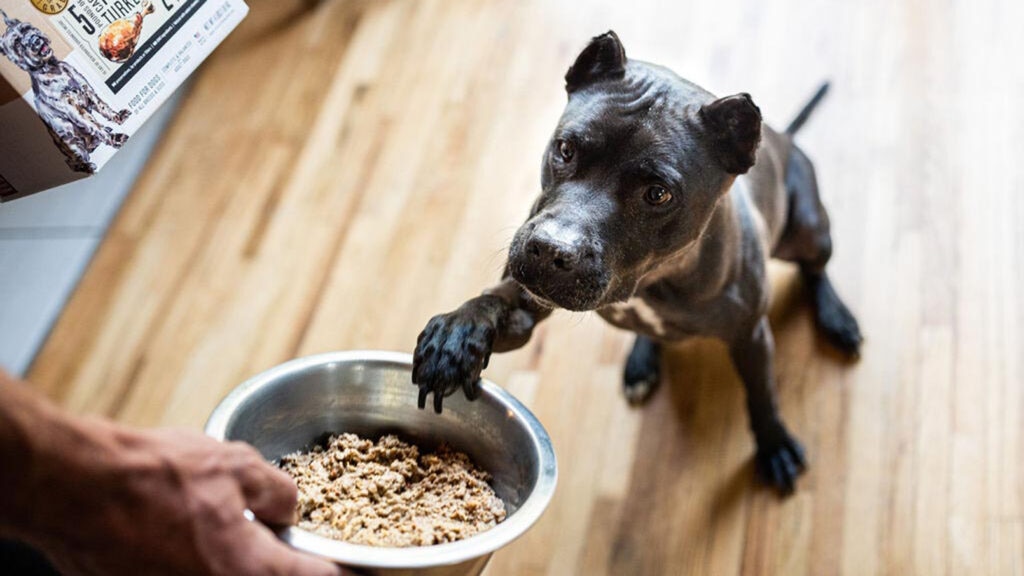
- Add the exact amount of clean water listed on the package.
- Let the food soften for the recommended time.
- Serve it in a clean bowl.
- Refrigerate unused rehydrated food.
- Wash the bowl after each meal.
Transition over about seven days when possible. Start with a small amount of the new food mixed with the old food. Increase the new food slowly if your dog’s stool stays normal.
Watch your dog during the change. Call a veterinarian if your dog has repeated vomiting, bloody diarrhea, severe weakness, trouble breathing, or refuses food for an unusual length of time.
How Much Water Should You Add?
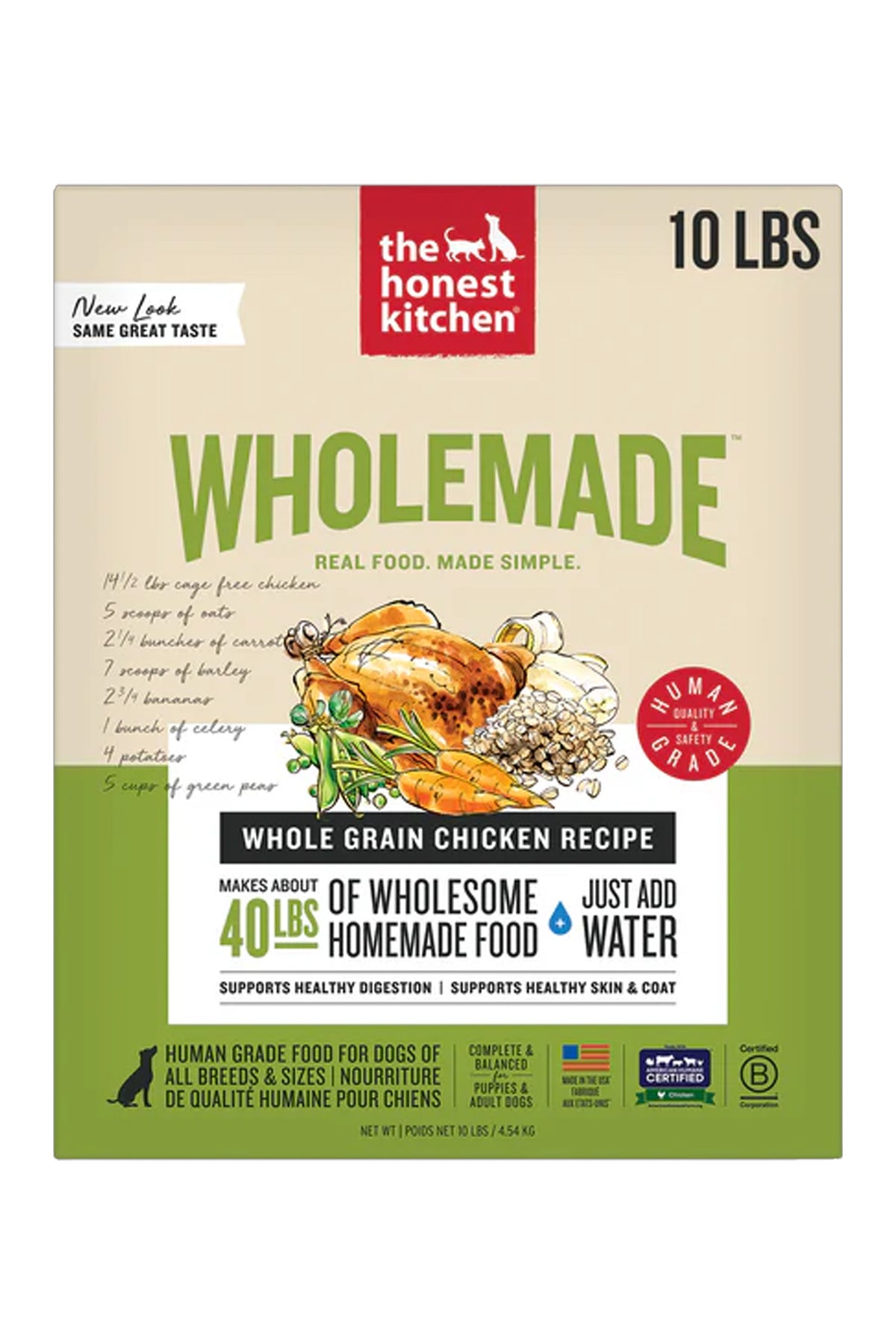
The correct water amount depends on the product. Some foods use equal parts food and water. Others need more water for a soft meal. Always follow the package directions first.
If your dog prefers a thinner texture, add water in small amounts. Do not dilute the meal so much that your dog receives too few calories and nutrients per serving.
A useful routine is to prepare only the amount your dog will eat. This limits waste and lowers the chance of bacterial growth. Use fresh water, not broth with onion, garlic, excess salt, or other unsafe ingredients.
If your dog has heart, kidney, or urinary problems, ask your veterinarian how much fluid is appropriate. More water is not always better for every medical condition.

What Ingredients Should You Look For?
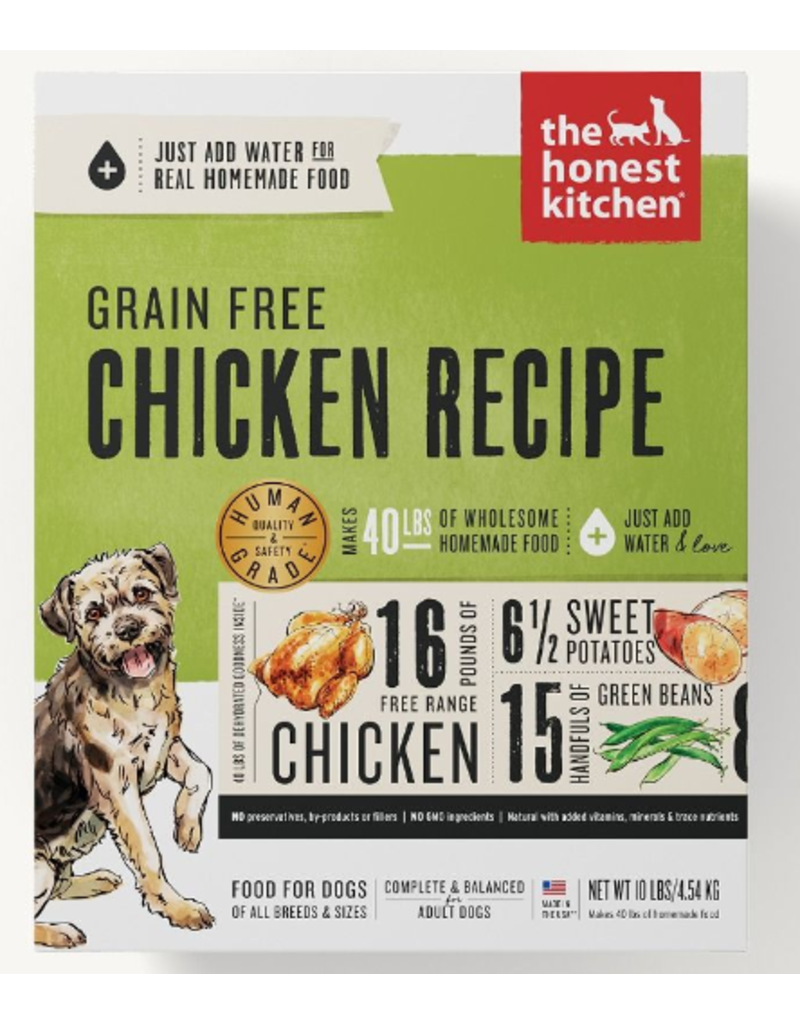
Good dehydrated dog food begins with a clear recipe and honest labeling. Look for named animal proteins such as chicken, turkey, beef, lamb, salmon, or fish.
You may also see ingredients such as oats, brown rice, barley, sweet potatoes, peas, carrots, spinach, or pumpkin. These ingredients can provide energy, fiber, and nutrients when used in a balanced formula.
Pay attention to these label details:
• A named animal protein near the top of the ingredient list
• A complete and balanced nutrition statement
• Clear feeding instructions
• Calorie information per cup or prepared serving
• The intended life stage
• Manufacturer contact information
• Lot and expiration details
Avoid assuming that “natural,” “human-grade,” or “holistic” means the food is nutritionally superior. These terms do not replace a complete nutrition statement or good manufacturing practices.
Dogs with suspected food allergies may need a limited-ingredient or veterinary elimination diet. Do not diagnose an allergy based only on scratching or ear problems. Many conditions can cause these signs.
Common Mistakes to Avoid
What Is Dehydrated Dog Food most often used incorrectly for? Many feeding problems come from small mistakes rather than from the food itself.
Feeding the dry weight incorrectly
Some owners confuse the amount of dry mix with the final prepared amount. Follow the brand’s chart and check whether the directions refer to dry food or rehydrated food.
Adding unsafe table food
Onions, garlic, grapes, raisins, chocolate, xylitol, alcohol, and cooked bones can harm dogs. Keep additions simple and ask your veterinarian before adding supplements.
Leaving wet food out too long
Once water is added, the food should not sit out for hours. Warm rooms and dirty bowls increase the risk of bacterial growth.
Changing food too quickly
Even a high-quality food can upset the stomach if introduced overnight. A gradual transition is usually easier on the digestive system.
Ignoring calorie needs
Two foods may look similar but contain different calories. An active young dog may need more food than a calm senior dog. Body condition is a better guide than the bowl alone.
You should be able to feel your dog’s ribs under a light layer of fat. If the ribs are hard to feel, your dog may be gaining excess weight. If the ribs and spine are very visible, your dog may need more calories or a health check.
Who May Benefit From Dehydrated Dog Food?
Dehydrated dog food may suit owners who want a shelf-stable alternative to canned or fresh food. It can be practical for travel, road trips, boarding, and homes with limited freezer space.
It may also help dogs that prefer soft food after rehydration. Older dogs with dental pain may find it easier to eat than hard kibble, although dental problems still need veterinary care.
Puppies, pregnant dogs, working dogs, and dogs with health problems need special care. Their energy and nutrient needs can differ greatly. Choose a formula made for the correct life stage and seek professional advice when needed.
A simple real-life example is a family that travels with a dog. Dry dehydrated food is easy to pack, but the family must also bring safe water, a clean bowl, a measuring tool, and a plan for storing leftovers. Convenience works best when it includes good food safety.
Frequently Asked Questions About What Is Dehydrated Dog Food?
Is dehydrated dog food the same as raw dog food?
No. Dehydrated dog food may contain cooked ingredients, and the drying process does not define it as raw. Some products use raw ingredients, so read the label and follow safe handling instructions.
Do you have to add water to dehydrated dog food?
Most dehydrated dog food should be mixed with water before serving. Water improves texture and helps prevent a very dry meal, but the exact amount depends on the product directions.
Is dehydrated dog food healthier than kibble?
Not automatically. Dehydrated dog food may offer appealing ingredients and added moisture, but health depends on the complete recipe, nutrient balance, calories, and your dog’s individual needs.
Can puppies eat dehydrated dog food?
Puppies can eat it when the product is complete and balanced for growth or all life stages. Check the label carefully because adult maintenance food may not provide the nutrients a growing puppy needs.
How long does rehydrated dog food last?
Follow the package directions, but rehydrated food should generally be refrigerated and used promptly. Do not leave it at room temperature for long periods, especially in warm weather.
Can dehydrated dog food cause diarrhea?
Any diet change can cause loose stool, especially if made quickly. Transition slowly and contact a veterinarian if diarrhea is severe, lasts more than a short period, or occurs with vomiting, blood, pain, or weakness.
Is dehydrated dog food safe for dogs with allergies?
It can be safe if the recipe avoids the problem ingredient and is handled carefully. Dogs with ongoing allergy signs should receive a proper veterinary evaluation rather than an informal food trial.
Conclusion
What Is Dehydrated Dog Food? It is a dry, lightweight food made by removing moisture from prepared ingredients, then adding water before serving. It can offer convenient storage, strong flavor, flexible texture, and extra moisture, but it may cost more and needs careful handling after rehydration.
Choose a product with clear ingredients, feeding directions, calorie details, and a complete and balanced nutrition statement. Introduce it slowly, measure portions, refrigerate leftovers, and ask your veterinarian before changing food for a medical reason.
With the right recipe and safe feeding routine, dehydrated dog food can be a practical part of your dog’s meal plan. Compare a few suitable options, read the label closely, and share your questions or experience with other dog owners.