Introduction
For dog owners in the United States, canned dog food can be a healthy part of a dog’s diet. It may be fed as a complete meal, mixed with dry food, or used as a topper. The key is to choose a product labeled “complete and balanced” for your dog’s life stage and feed the right amount.
Canned food is not automatically better than dry food. It has more water, often smells stronger, and may help dogs that struggle to chew or drink enough. It also costs more per calorie, spoils faster after opening, and does not clean a dog’s teeth.
The best choice depends on your dog’s age, health, taste, activity, budget, and your ability to store and measure the food safely.
What Makes Canned Dog Food Different?
Canned dog food is wet food sealed in a container and heat-processed to make it shelf stable. It usually contains much more water than kibble. Many canned foods contain about 70% to 85% moisture, while dry food often contains about 10% moisture.
This difference changes how the food looks, smells, and delivers calories. A cup of canned food may contain far fewer calories than a cup of dry food because much of its weight is water.
Complete and balanced food
In the United States, look for an AAFCO nutritional adequacy statement on the label. This statement tells you whether the food is designed to provide all required nutrients when fed as directed.
The label should say the food is complete and balanced for one or more of these groups:
- Growth, for puppies
- Maintenance, for adult dogs
- All life stages
- Gestation and lactation, for pregnant or nursing dogs
A food labeled for intermittent or supplemental feeding only is not meant to be the sole diet. These foods may work as treats, toppers, or short-term additions. They may not provide every nutrient your dog needs.
AAFCO sets model standards used by many states, but the U.S. Food and Drug Administration regulates animal food under the Federal Food, Drug, and Cosmetic Act. State rules may also apply.
Canned food is not the same as human canned food
Canned dog food is made for dogs. Human canned foods are made for people and may contain too much salt, fat, or unsafe ingredients.
Some human foods can harm dogs. Examples include:
- Onions and garlic
- Grapes and raisins
- Chocolate
- Macadamia nuts
- Xylitol, also called birch sugar
- Alcohol
- Excessively fatty foods
- Bones and some hard pits
Do not use leftover human canned food as a regular dog meal unless your veterinarian has approved it as part of a balanced diet.
Benefits of Canned Food for Dogs
Canned food can offer useful benefits, but the value depends on the individual dog and the specific formula.
1. It adds water to the diet
The main benefit of wet food is its high moisture content. This can help increase daily water intake, especially for dogs that do not drink much from a bowl.
More water may be useful for some dogs with medical needs. However, canned food is not a treatment for kidney disease, urinary disease, diabetes, or any other condition. Dogs with these problems need a diet plan from a veterinarian.
If your dog has sudden changes in thirst or urination, contact a veterinarian. A food change should not replace a medical check.
2. It may be easier to eat
Soft food may help dogs with:
- Missing teeth
- Sore gums
- Mouth pain
- Trouble chewing
- Reduced appetite
- Some oral or jaw problems
A dog that refuses dry food but eats soft food may have dental pain or another health issue. Do not assume the dog is simply being picky. A veterinary exam can help find the cause.
3. Many dogs find it more appealing
Canned food often has a stronger smell and a softer texture than kibble. This may help dogs with a poor appetite or dogs that are fussy about food.
Warm, not hot, food may smell more appealing. If you warm canned food, use a clean dish and check the temperature before serving it.
4. It can help control calorie intake in some cases
Because canned food contains more water, it often has fewer calories per gram than dry food. This can let a dog eat a larger portion by volume for the same number of calories.
That does not mean every canned food helps with weight loss. Some wet foods are rich in fat and calories. Check the calorie statement on the label and measure the daily portion.
5. It offers texture variety
Some dogs enjoy a mix of textures. You can feed canned food alone or combine it with dry food. Texture variety may also help when a dog needs to change diets later in life.
Make changes slowly. A sudden switch can cause loose stool or vomiting.
6. It may support appetite during illness
A strong smell and soft texture may tempt a sick dog to eat. But a dog that will not eat, vomits repeatedly, has diarrhea, seems weak, or shows pain needs veterinary advice.
Food can support recovery. It cannot explain why the dog is ill.

Possible Drawbacks of Canned Dog Food
Canned food can be healthy, but it also has limits.
Higher cost
Wet food usually costs more per calorie than dry food. It also requires cans, pouches, or trays and may create more packaging waste.
Compare foods by cost per 100 calories, not only by can price. A small can may look cheap but provide fewer calories than a serving of kibble.
Short shelf life after opening
After opening, cover unused food and refrigerate it. Follow the label’s storage instructions. As a general safety practice, use refrigerated leftovers within about three to five days unless the manufacturer gives a shorter limit.
Discard food if it smells spoiled, grows mold, changes in texture, or has been left out too long. Perishable food should not sit at room temperature for extended periods. When in doubt, throw it out.
Wash the bowl after each meal. Wet food can leave residue that supports bacterial growth.
It does not clean teeth
Canned food does not brush a dog’s teeth. Dry kibble does not reliably replace tooth brushing either.
The American Veterinary Medical Association recommends regular dental care, including tooth brushing and veterinary dental checks. Some dental diets and chews may help when they are designed for that purpose, but ordinary kibble should not be treated as a dental product.
It may cause weight gain if portions are not adjusted
Canned food can be less calorie dense, but dogs can still gain weight from large portions or extra toppers.
When mixing wet and dry food, reduce the amount of dry food. Do not add a full serving of canned food on top of the normal daily ration unless your veterinarian has advised it.
Some recipes are rich
A rich food may trigger digestive upset in some dogs. Dogs with a history of pancreatitis may need careful fat control. Dogs with food allergies may need a specific ingredient plan.
The ingredient list alone does not diagnose an allergy or prove that a diet is suitable for a medical problem.

How to Choose a Good Canned Food
Use the label, your dog’s needs, and your veterinarian’s advice. Do not choose only by ingredient names or package claims.
Check the nutritional adequacy statement
For a main diet, choose a food labeled complete and balanced for your dog’s life stage.
A food for puppies may not be suitable for adult dogs. A food for all life stages may have nutrient levels that are not ideal for every adult dog, especially dogs with special health needs.
Check the calorie content
Look for calories listed per can, tray, pouch, or kilogram. Some labels also list calories per cup or per kilogram of food.
Use the calorie number to compare foods. A larger-looking portion is not always lower in calories.
Match the food to the dog
Consider:
- Age and life stage
- Body weight and body condition
- Activity level
- Breed size
- Dental health
- Allergies or food reactions
- Digestive history
- Medical conditions
- Current medications
A healthy adult dog may do well on many complete diets. A dog with kidney disease, urinary stones, diabetes, pancreatitis, or severe allergies may need a veterinary therapeutic diet.
Do not overvalue marketing terms
Words such as “premium,” “natural,” “holistic,” and “human-grade” may have limited value without context. A marketing term does not prove that a food is better for your dog.
Focus on whether the food is complete and balanced, appropriate for the dog, safe to store, and tolerated well.
Ask useful questions of the manufacturer
A reputable company should be able to explain:
- Who formulates the food
- Where the food is made
- How ingredients and finished products are tested
- How the company handles recalls
- Whether the food meets AAFCO nutrient profiles or passed feeding trials
- How to contact the company about a batch or quality concern
The label and manufacturer information do not replace veterinary advice, but they can help you judge how much information is available.

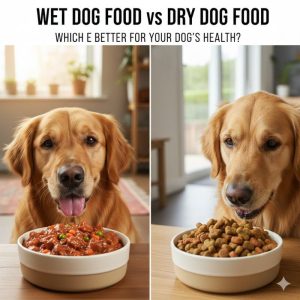
Canned Food vs. Dry Food
Neither canned nor dry food is best for every dog. The better option is the one that meets the dog’s nutrition needs and works safely in the home.
| Feature | Canned food | Dry food |
|---|---|---|
| Moisture | Usually high | Usually low |
| Calorie density | Often lower by weight | Often higher by weight |
| Texture | Soft | Firm and crunchy |
| Storage after opening | Must be refrigerated | Usually easier to store |
| Cost per calorie | Often higher | Often lower |
| Smell and appeal | Often stronger | Often milder |
| Dental cleaning | Does not clean teeth by itself | Ordinary kibble does not replace dental care |
| Portion measurement | Can be less consistent by volume | Often easy to measure |
| Use for poor chewers | Often helpful | May be hard to chew |
The main trade-off is simple: canned food provides moisture and soft texture, while dry food is often easier to store, measure, and afford.
Many dogs can eat either type. Some do well with a combination. If you combine them, keep the total daily calories in mind.

How Much Canned Food Should a Dog Eat?
Start with the feeding guide on the label, then adjust based on body condition, activity, age, and weight changes.
Feeding guides are starting points. They are not exact prescriptions for every dog.
A simple calorie example
This is a hypothetical example:
- One can contains 350 calories.
- Your dog needs 700 calories per day.
- The dog eats no other food.
The starting amount would be about two cans per day, divided into the dog’s usual meals.
If you add a 200-calorie portion of dry food, the canned food must be reduced. Otherwise, the dog would receive about 900 calories before treats.
Treats and toppers should also count toward daily calories. The exact calorie need should be confirmed with a veterinarian when the dog is overweight, underweight, growing, pregnant, elderly, or ill.
Watch body condition
A healthy dog should have:
- Ribs that can be felt under a thin layer of fat
- A visible waist when viewed from above
- An abdominal tuck when viewed from the side
A thick fat layer over the ribs or a missing waist may indicate excess weight. Ask your veterinarian to assess body condition before making a major calorie cut.

How to Switch a Dog to Canned Food
Change food over several days unless a veterinarian gives different instructions.
- Start with a small amount. Replace about 25% of the old food with the new food.
- Hold that mix for a few days. Watch stool, appetite, vomiting, gas, and comfort.
- Increase the new food slowly. Move toward a 50/50 mix, then 75/25.
- Complete the change if the dog is doing well. Slow down if stool becomes soft.
- Measure the total daily amount. Reduce the old food as you add the new food.
- Keep water available. Canned food adds water, but dogs still need free access to clean drinking water.
If the dog develops repeated vomiting, severe diarrhea, blood in the stool, weakness, breathing trouble, facial swelling, or signs of pain, stop the transition and contact a veterinarian. Puppies, senior dogs, and dogs with chronic illness may need a more careful plan.
Safe storage and serving
- Wash your hands before and after handling food.
- Use a clean bowl.
- Cover and refrigerate unused food promptly.
- Follow the product’s storage directions.
- Do not leave wet food out for long periods.
- Discard food that looks or smells spoiled.
- Wash food bowls after each meal.
- Keep opened cans away from raw meat and human food.

When Canned Food May Not Be the Right Choice
Canned food may not be ideal when:
- The dog gains weight on the portions being fed.
- The household cannot refrigerate leftovers safely.
- The dog has a condition that requires a specific therapeutic diet.
- The dog vomits or develops diarrhea after the food change.
- The food is used as a topper without reducing the main diet.
- The owner cannot measure portions consistently.
- The product is not complete and balanced but is being fed as the main diet.
A dog that suddenly becomes interested only in soft food may have a painful mouth. A dog that suddenly refuses both wet and dry food may be sick. A sudden change in eating habits deserves attention.
Do not use canned food to hide medication unless a veterinarian or pharmacist confirms that the medicine can be given with food. Some medicines must be given on an empty stomach, and some dogs may avoid food after tasting a bitter pill.

Frequently Asked Questions
Is canned food healthier than dry food for dogs?
Not always. A complete and balanced canned food can be healthy, but a complete and balanced dry food can also be healthy. Canned food has more moisture and a softer texture. Dry food is often easier to store and may cost less per calorie.
Can dogs eat canned food every day?
Yes, if the food is complete and balanced for the dog’s life stage and the portion meets the dog’s calorie needs. Food labeled for intermittent or supplemental feeding should not make up the entire daily diet.
Does canned dog food cause diarrhea?
It can cause loose stool if the change is sudden, the portion is too large, or the food does not agree with the dog. Transition slowly and contact a veterinarian if diarrhea is severe, lasts more than a short period, or comes with vomiting, blood, weakness, or pain.
Is canned food good for dogs with kidney disease?
Some canned foods may fit a kidney-support diet because they add water, but ordinary canned food is not automatically suitable. Dogs with kidney disease need a diet chosen with a veterinarian. The right food may require controlled levels of phosphorus, protein, sodium, and other nutrients.
Can canned food help a dog lose weight?
It may help some dogs because its water content can lower calorie density. Weight loss still depends on total calories, treats, activity, and health status. Your veterinarian can set a safe calorie target and track progress.
Should you mix canned and dry dog food?
You can mix them if both foods are safe and appropriate for the dog. Count calories from both foods and reduce the dry portion when adding canned food. A slow transition may reduce digestive upset.
Conclusion
Canned food can be good for dogs when it is complete and balanced, matched to the dog’s life stage, and fed in the right portion. Its high moisture and soft texture can help dogs that need more water, have trouble chewing, or prefer stronger-smelling food.
It is not automatically better than dry food, and it does not replace dental care. Read the nutritional adequacy statement, check calories, store leftovers safely, and watch your dog’s weight and stool.
The next practical step is to compare your dog’s current food with a canned option by life-stage fit, calories per can, daily cost, and how well your dog tolerates it. For a dog with a medical condition or sudden appetite change, speak with a veterinarian before switching diets.