Yes, dogs can eat raw egg, but only with careful handling and moderation.
Adding raw egg to your dog’s food is one of those topics that sounds simple, but it deserves a smart answer. As someone who looks at pet nutrition from both the practical and safety side, I can tell you this: raw egg can offer protein and nutrients, but it also comes with real risks that many dog owners overlook. If you want to know when raw egg may be okay, when it is not, and how to do it safely, this guide will walk you through everything in plain English.
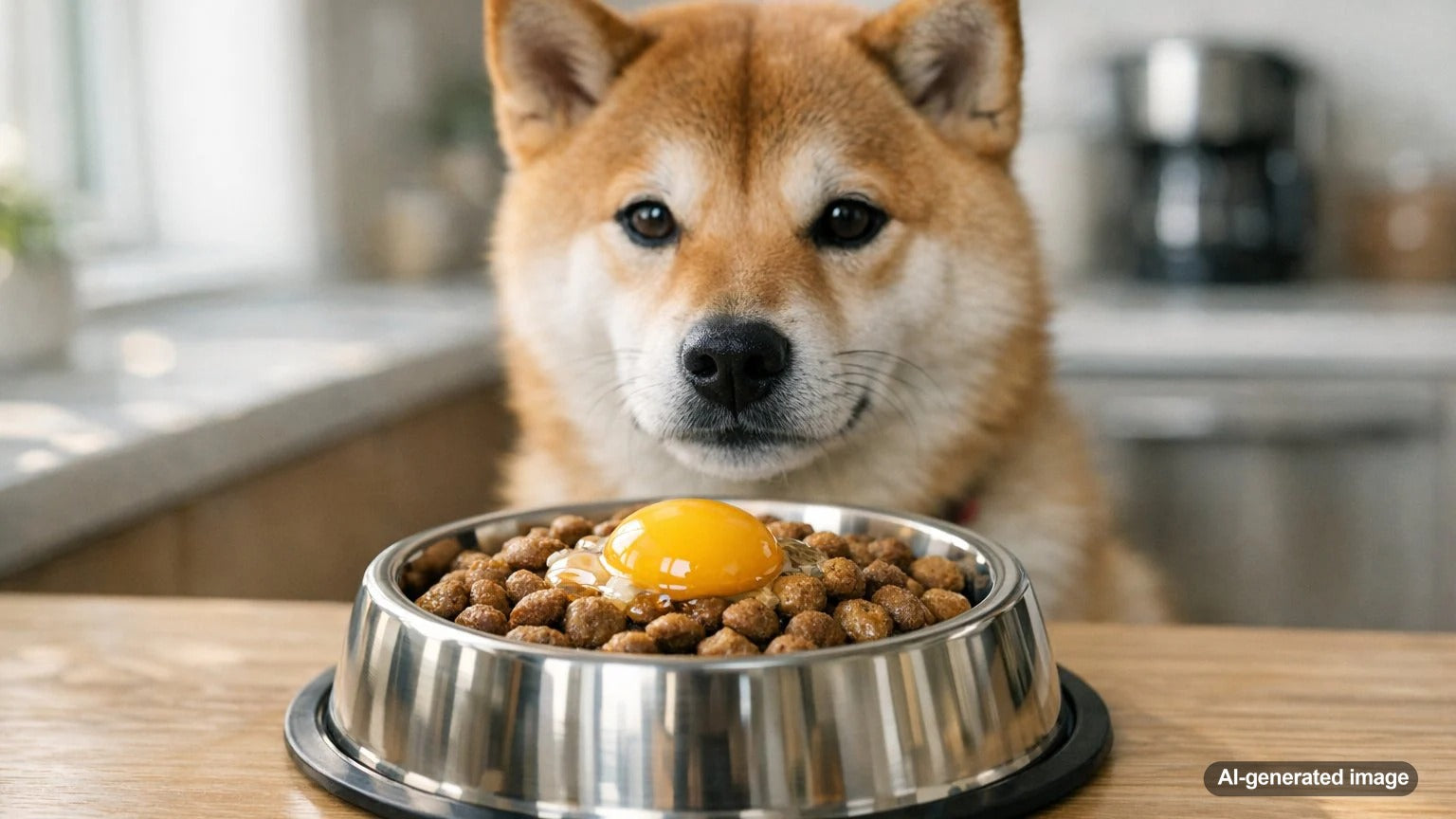
Can you add raw egg to your dog’s food?
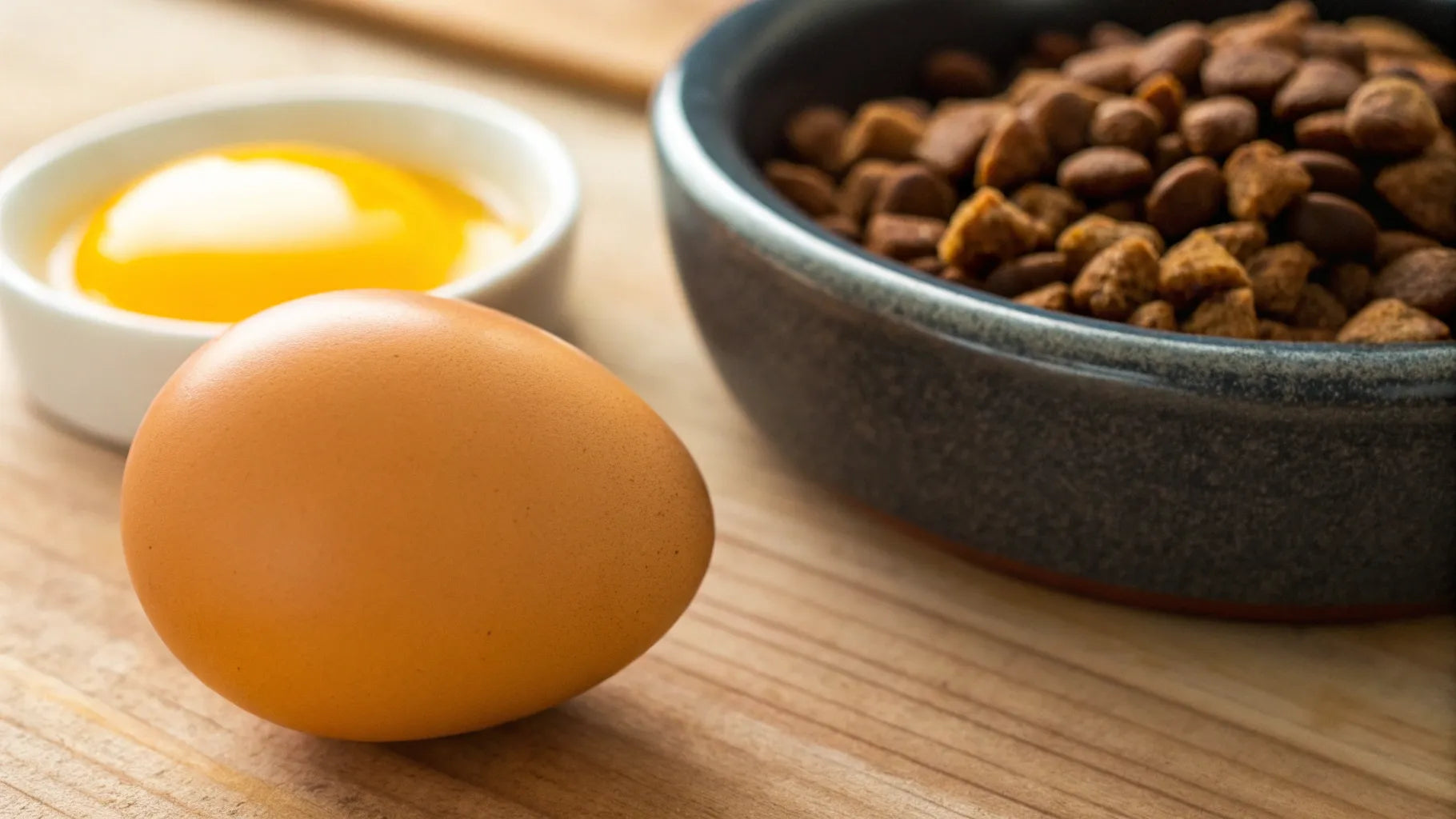
Yes, you can add raw egg to your dog’s food in some cases, but it is not the best choice for every dog. A raw egg can be a source of protein, healthy fats, vitamins, and minerals. But it can also carry bacteria like Salmonella, and the egg white contains avidin, which may interfere with biotin if fed often in large amounts.
In my experience, many pet owners think “natural” always means “safe.” That is not always true. Raw egg is a good example. It may be fine now and then for a healthy adult dog, but it is not something I would recommend as a daily habit without a reason and a plan.
What raw egg can offer your dog
Raw egg is nutrient dense. A whole egg contains high quality protein, fatty acids, vitamin A, vitamin D, B vitamins, selenium, and choline. These nutrients can support muscle maintenance, skin health, and normal body function.
Here is why some dog owners like to add raw egg to dog food:
• Protein support: Eggs contain complete protein, which means they provide essential amino acids.
• Healthy fats: The yolk has fats that help energy and coat condition.
• Easy to mix: A raw egg can blend into kibble, fresh food, or homemade meals.
• Palatability: Many dogs love the taste, so it can help picky eaters.
That said, benefits only matter if the food is handled safely and fits your dog’s needs. A nutrient-rich food can still be a poor choice if it creates digestive upset or infection risk.
Is raw egg safe for dogs?
Raw egg is not automatically unsafe for dogs, but it is not risk free either. The biggest concern is bacterial contamination. Salmonella and other bacteria can be present on the shell or inside the egg, and dogs can get sick from them.
Some healthy dogs may tolerate raw egg without any obvious problem. But dogs with weak immune systems, puppies, senior dogs, and dogs with chronic illness face a higher risk. I have seen pet owners assume their dog’s strong stomach means raw food is harmless, only to deal with vomiting or diarrhea later.
A second concern is long term feeding. Egg white contains avidin, a protein that can reduce biotin absorption if raw egg is fed too often in large amounts. Biotin deficiency is uncommon, but repeated overfeeding can create a problem over time.
When raw egg may be okay
Raw egg may be acceptable for some healthy adult dogs when it is fed occasionally and with good food safety habits. A one time egg added to food is much less concerning than daily feeding.
Raw egg may be more reasonable if:
• Your dog is a healthy adult with no immune issues
• The egg comes from a reputable source and is fresh
• You wash your hands, the shell, and feeding tools
• You are not feeding raw egg every day
• Your veterinarian has not advised against it
If you decide to try it, start small. Watch for loose stool, vomiting, itching, or loss of appetite. Dogs do not all react the same way, and even a food that works for one dog may upset another.
When you should avoid raw egg
There are times when raw egg is a bad idea. I would avoid it if your dog has any of the following:
• A weak immune system
• A history of pancreatitis
• A sensitive stomach
• Food allergies or frequent digestive upset
• Pregnancy or nursing
• Very young or very old age
• Ongoing medical treatment
Puppies are especially tricky because they need safe, balanced nutrition for growth. Senior dogs may not fight off bacteria as well. If your dog already has stomach issues, raw egg can make the problem harder to read because it may blur the line between a food reaction and a medical issue.
Raw egg versus cooked egg for dogs
If your real question is whether to use raw egg or cooked egg, cooked egg usually wins on safety. Lightly cooked or fully cooked eggs remove the bacterial risk and still give your dog valuable protein and nutrients.
Here is the simple tradeoff:
• Raw egg: More natural to some owners, but carries contamination risk
• Cooked egg: Safer, still nutritious, easier to digest for many dogs
In most cases, I recommend cooked egg over raw egg. It is the cleaner choice. You get most of the nutrition with less worry, which is a pretty good deal when you are feeding a family member with four legs.
How much raw egg can dogs eat?
There is no perfect one size fits all amount. The right amount depends on your dog’s size, diet, and health. As a general rule, egg should be treated as an add on, not a main food.
A practical approach looks like this:
• Small dogs: a small portion of egg occasionally
• Medium dogs: up to a whole egg sometimes, not every day
• Large dogs: one egg can still be enough as an occasional topper
The key is moderation. Too much egg can add calories fast, which matters if your dog is overweight or on a controlled diet. It can also crowd out balanced dog food, which already contains the nutrients your dog needs.
How to feed raw egg more safely
If you still want to add raw egg to your dog’s food, follow safe steps carefully:
Use fresh eggs from a trusted source.
Wash your hands before and after handling the egg.
Clean the shell before cracking it if possible.
Discard cracked or dirty eggs.
Mix the egg into your dog’s regular meal right away.
Start with a small amount.
Watch your dog for 24 to 48 hours.
Stop if you see vomiting, diarrhea, gas, or itching.
A lot of people forget the shell can carry germs too. If you handle eggs the same way you would handle raw chicken, you are thinking in the right direction.
Signs your dog may not tolerate raw egg
Some dogs react poorly to raw egg, even if they have eaten it before. Keep an eye out for these signs:
• Vomiting
• Loose stool or diarrhea
• Stomach pain
• Excess gas
• Skin irritation
• Ear scratching
• Lethargy
• Reduced appetite
If symptoms are mild and go away quickly, your dog may simply be sensitive to the egg. If symptoms are severe or keep coming back, stop feeding raw egg and talk to your veterinarian. Food tolerance can change over time, just like it does in people.
What about eggshells and egg whites?
Eggshells can provide calcium, but they should be handled with care. Raw shells can also carry bacteria, and sharp shell pieces may irritate the mouth or digestive tract if not prepared well.
Egg whites are the part most often linked to the avidin issue when fed raw in large amounts. The yolk contains much of the fat and nutrients, while the white is mostly protein and water. If you are feeding egg as a supplement, the whole egg is usually more balanced than whites alone.
Still, cooked egg is simpler and safer for most homes. It removes guesswork and lowers the chance of foodborne illness.
Better alternatives to raw egg
If your goal is extra protein or a tastier meal, there are safer options than raw egg. These choices are often easier on the stomach and more reliable from a food safety standpoint.
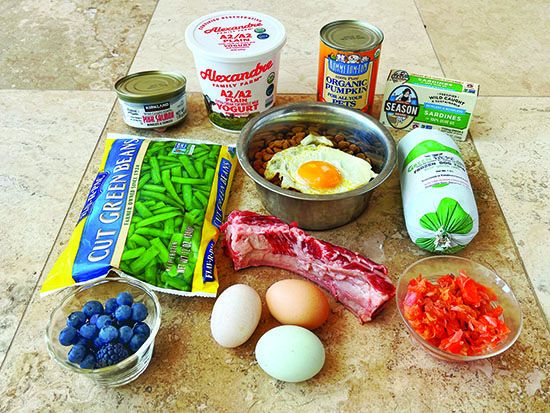
Try these instead:
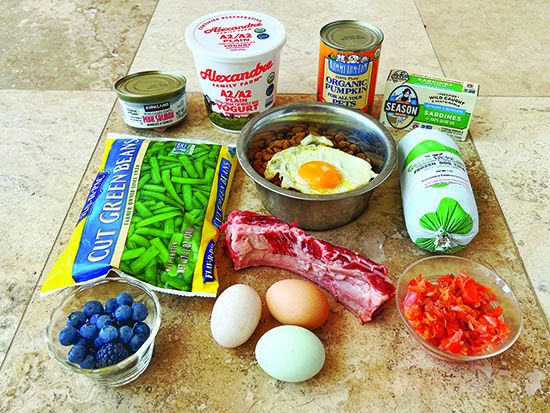
• Cooked egg: Scrambled or hard boiled, with no butter, salt, or seasoning
• Plain cooked chicken: A lean topper for picky eaters
• Pumpkin: Helpful for mild digestive upset in small amounts
• Plain yogurt: Only if your dog tolerates dairy
• Veterinary approved meal toppers: Helpful for dogs with special needs
I often suggest starting with the simplest option. A plain cooked egg gives you most of the upside with fewer worries. That is usually the smartest middle ground.
What experts generally recommend
Most veterinary nutrition experts lean toward cooked egg rather than raw egg for dogs. The reason is simple: the nutritional gain does not usually outweigh the safety risk. That is especially true when you are already feeding a complete and balanced dog food.
Good pet nutrition is about consistency, not just “superfoods.” If your dog’s base diet is solid, egg should be a small extra, not a major fix. That mindset helps prevent nutrient imbalances and keeps feeding decisions simple.
If you want the most trustworthy path, ask your veterinarian before making raw egg a regular part of your dog’s diet. That is especially important if your dog has allergies, kidney disease, pancreatitis, or any chronic condition.
Frequently Asked Questions of Can i add raw egg to my dogs food
Can I give my dog a raw egg every day?
It is not a good idea to give raw egg every day. Regular feeding raises the risk of bacteria exposure and may affect biotin balance over time.
Is raw egg better than cooked egg for dogs?
No, cooked egg is usually the better choice because it is safer and still nutritious. You keep the protein and many vitamins while reducing the chance of foodborne illness.
Can puppies eat raw egg?
Puppies should usually avoid raw egg. Their immune systems are still developing, and they need safe, balanced food for growth.
What happens if my dog eats a raw egg once?
Most healthy dogs will be fine after one raw egg, but some may get an upset stomach. Watch for vomiting, diarrhea, or unusual behavior, and call your vet if symptoms appear.
Can raw egg help my dog’s coat?
Egg can support coat health because it contains protein and fats. Still, a healthy coat depends more on the overall diet than on one ingredient.
Should I include the shell with raw egg?
Only if you know how to prepare it safely and your vet says it is okay. Eggshells can add calcium, but they also need proper cleaning and grinding to reduce risk.
Conclusion
Raw egg can be added to your dog’s food in some situations, but it is not the safest default choice. For most dogs, cooked egg is the better option because it offers the same basic nutrition with much less risk. If you do feed raw egg, keep it occasional, start small, and watch your dog closely for any signs of stomach upset.
The best rule is simple: feed for benefit, not just trend. Choose the option that supports your dog’s health today and protects it long term. If you are still unsure, talk with your veterinarian and make the decision that fits your dog’s age, health, and diet.