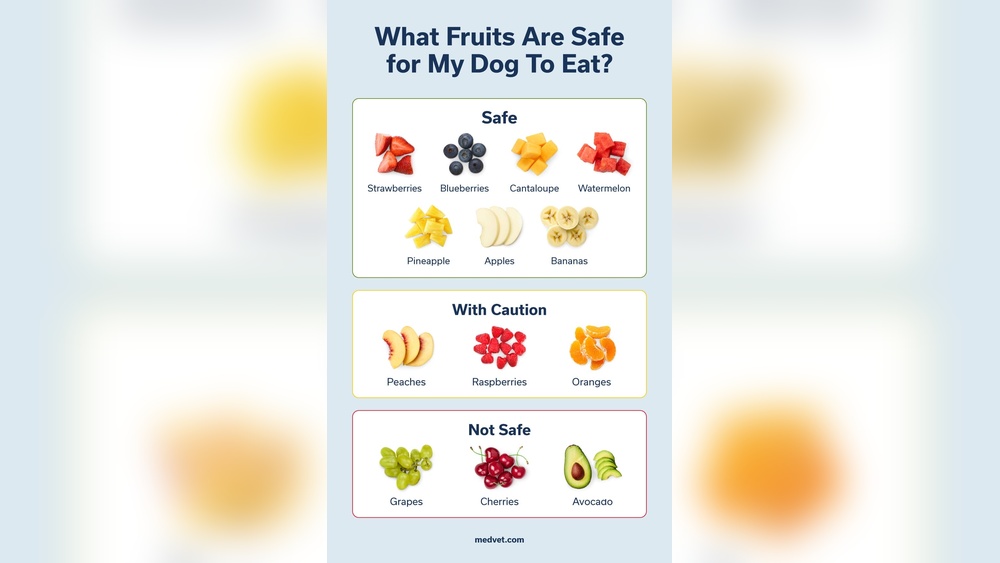
Dogs are part of the family, so it’s natural to want to share food with them—especially something as healthy as fruit. But not all fruits are safe for dogs. Some can be enjoyed as treats, while others are dangerous and can make your dog sick.
If you’re unsure what fruits dogs can eat, you’re not alone. Many pet owners have the same question.
This guide explains which fruits are safe, which to avoid, and how to feed fruit to your dog the right way. You’ll also discover some surprising facts, tips, and common mistakes most dog owners don’t know about fruit and canine health.
Why Fruits For Dogs?
Fruits are packed with vitamins, minerals, and fiber. They’re often low in fat and calories, making them a healthy treat. For dogs, certain fruits can offer health benefits such as better digestion, a stronger immune system, and even fresher breath. But moderation is key, and preparation matters. Some fruits are toxic, and even safe fruits can cause problems if served incorrectly or in large amounts.
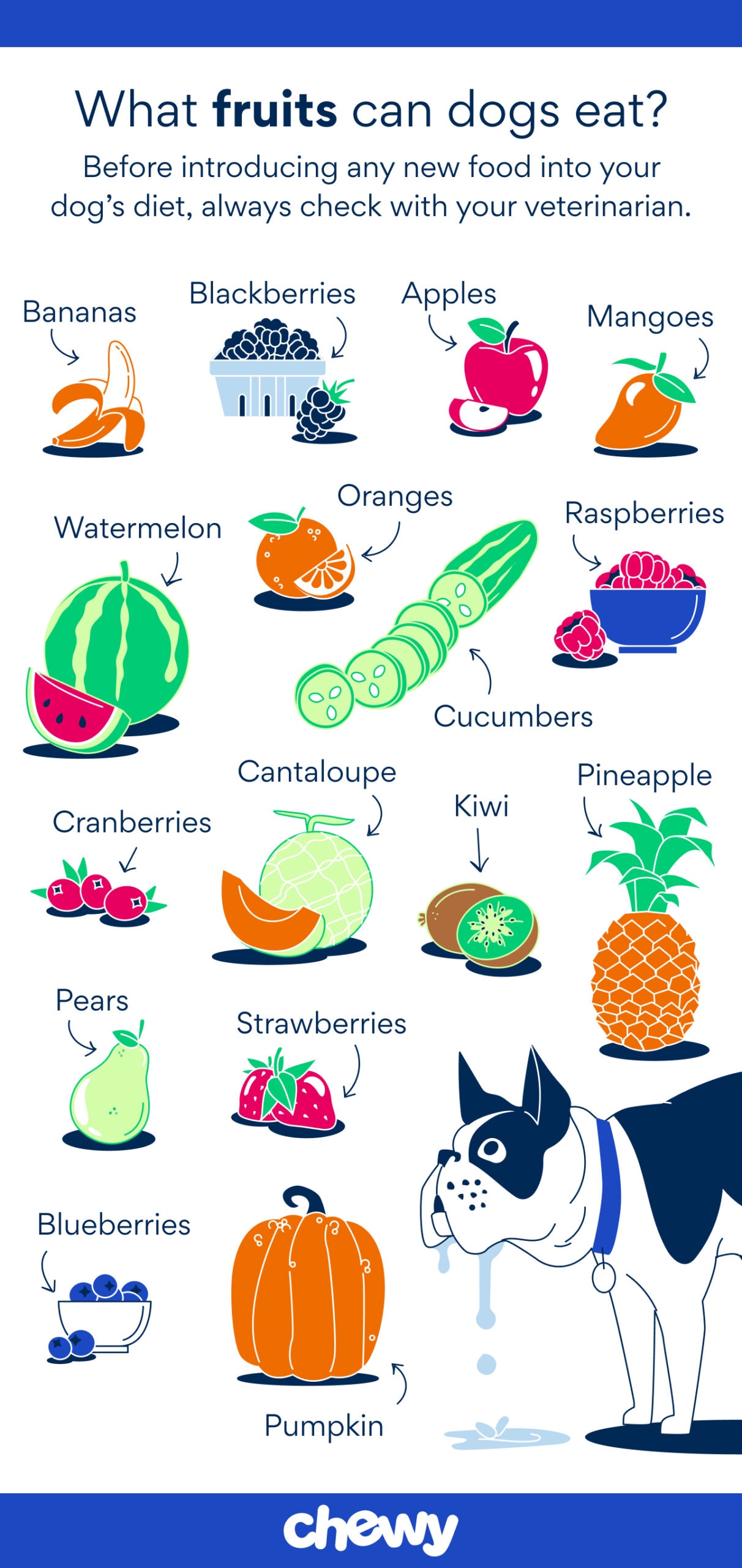
Fruits Dogs Can Eat Safely
Let’s look at fruits that are generally safe for dogs, with key benefits, serving ideas, and crucial precautions.
Apples
Apples are a popular dog treat. They’re high in fiber and vitamin C. Cut apples into small slices and remove the core and seeds, as apple seeds contain cyanide and can be harmful. The skin is safe, but always wash apples thoroughly to remove pesticides.
Bananas
Bananas are rich in potassium and vitamin B6. They’re easy to digest and can help with upset stomachs. However, bananas are high in sugar, so give only small pieces as an occasional treat. Too much can cause constipation or weight gain.
Blueberries
Blueberries are packed with antioxidants, which help fight cell damage. These small berries are great for training treats because of their size. Blueberries can also support brain health in older dogs.
Watermelon
Dogs love watermelon on hot days. It’s mostly water, so it’s hydrating and low in calories. Remove the seeds and rind, as they can cause digestive upset or even blockages. Offer bite-sized, seedless pieces for a refreshing snack.
Strawberries
Strawberries provide vitamin C, fiber, and a touch of natural sweetness. They contain an enzyme that may help whiten your dog’s teeth. However, like many fruits, strawberries have sugar, so feed in moderation.
Cantaloupe
Cantaloupe is a good source of vitamin A and beta-carotene, which support eye health. This melon is low in calories but high in sugar, so give small amounts. Remove the seeds and rind before serving.
Pears
Pears offer copper, vitamin C, and vitamin K. They’re best served sliced and seedless. Pear seeds contain traces of cyanide, so always remove them. Choose ripe pears and avoid canned pears with added syrup.
Mango
Mango is sweet, soft, and full of vitamin E, potassium, and beta-carotene. Remove the pit and skin before giving mango to your dog. The pit can be a choking hazard and contains small amounts of toxins.
Pineapple
Pineapple contains bromelain, an enzyme that can help digestion. It’s also a source of vitamin C and manganese. Peel and core the pineapple, and serve only small, fresh pieces—never canned pineapple in syrup.
Oranges
Oranges are safe in small amounts and offer vitamin C. Some dogs dislike the taste, and too much can cause stomach upset due to acidity and sugar. Remove the peel, seeds, and white pith before sharing.
Raspberries
Raspberries are low in sugar and calories. They’re a good source of fiber and vitamin C. However, they also contain a small amount of xylitol, which is toxic in large amounts. A handful is safe, but don’t overdo it.
Cranberries
Both fresh and dried cranberries are safe in moderation. They can help prevent urinary tract infections in dogs. Dried cranberries often have added sugar, so choose unsweetened if possible.
Peaches
Peaches are high in fiber and vitamin A. Always remove the pit, as it’s toxic and a choking risk. Avoid canned peaches due to sugar and preservatives. Offer only fresh, pitted slices.
Apricots
Apricots are a source of potassium and beta-carotene. Like peaches, the pit, stem, and leaves are toxic. Only the flesh is safe, and small portions are best.
Cucumbers
Technically a fruit, cucumbers are low in calories and a good option for overweight dogs. They’re mostly water, so they help with hydration and fresh breath.
Kiwi
Kiwi is rich in vitamin C and fiber. The fuzzy skin can be hard to digest, so peel it first. Some dogs may find kiwi too tart, so introduce it slowly.
Blackberries
Blackberries are full of antioxidants and fiber. They’re a sweet, juicy snack for most dogs. Like raspberries, limit the quantity due to natural xylitol content.
Pumpkin
Pumpkin (plain, cooked) is excellent for digestion. It can help with both diarrhea and constipation in dogs. Never give raw pumpkin or pumpkin pie filling.
Unsafe Fruits: What To Avoid
Certain fruits are dangerous or even deadly for dogs. Here are some to keep away from your pet:
- Grapes and raisins – Cause kidney failure, even in small amounts.
- Cherries – Pits, stems, and leaves contain cyanide; flesh is risky due to small size and choking hazard.
- Avocado – Contains persin, which can cause vomiting and diarrhea.
- Tomatoes (unripe/green) – Contain solanine, which is toxic to dogs.
- Plums – Pits are toxic and a choking hazard.
- Persimmons – Seeds can cause inflammation of the intestines or blockages.
- Currants – Highly toxic and can cause kidney failure.
If your dog eats any of these, contact your vet immediately.
You can also read : Best Yogurt for Dogs: Top Healthy Picks for 2026
How Much Fruit Should Dogs Eat?
Fruit should only be a small part of your dog’s diet—think of it as a treat, not a meal replacement. As a guideline, treats (including fruits) should make up no more than 10% of your dog’s daily calories. Too much fruit can lead to digestive problems, obesity, or even diabetes in the long term.
Here’s a simple reference to show how much fruit is safe for dogs by size:
| Dog Size | Max Fruit Per Day | Example Portion |
|---|---|---|
| Small (under 20 lbs) | 1-2 tbsp | 2 apple slices, 3-4 blueberries |
| Medium (20-50 lbs) | 2-4 tbsp | 4 apple slices, 6-8 blueberries |
| Large (over 50 lbs) | 4-6 tbsp | 6 apple slices, 10-12 blueberries |
Credit: houwhoekfarmstall.com
How To Safely Prepare Fruit For Dogs
Giving fruit to dogs needs careful preparation. Here are key steps to follow:
- Wash thoroughly to remove pesticides and dirt.
- Remove pits, seeds, and rinds—these can be toxic or cause choking.
- Cut into small pieces to prevent choking, especially for small dogs.
- Introduce new fruits slowly to watch for allergies or stomach upset.
If you notice vomiting, diarrhea, itching, or swelling after giving fruit, stop immediately and call your vet.
Common Mistakes When Feeding Dogs Fruit
Many dog owners make errors when giving fruits. Here are two mistakes you might not know:
- Forgetting about dried fruits: Dried fruits like raisins or dried apricots are much more concentrated in sugar and calories. They’re also more likely to have added sweeteners or preservatives, which can be harmful.
- Assuming all fruit parts are safe: The flesh of a fruit might be okay, but seeds, pits, and even skins can be toxic. Apple seeds, peach pits, and orange peels should always be avoided.
Another mistake is feeding fruit daily as a routine snack. Even healthy fruits should be rotated and given only occasionally.

Credit: substancesalon.com
Comparing Fruit Options For Dogs
Here’s a quick comparison of the most popular dog-friendly fruits and their benefits:
| Fruit | Main Benefit | Key Precaution |
|---|---|---|
| Apple | Fiber, vitamin C | Remove seeds and core |
| Banana | Potassium, easy digestion | High sugar, small portions |
| Blueberry | Antioxidants | Feed in moderation |
| Watermelon | Hydration | No seeds or rind |
| Strawberry | Vitamin C, dental health | Limit due to sugar |
| Peach | Fiber, vitamin A | Remove pit |
| Pineapple | Digestive enzyme | No skin or core |
Signs Your Dog Shouldn’t Eat Fruit
Some dogs have trouble digesting fruit, or might be allergic. Watch for these signs after feeding fruit:
- Vomiting or diarrhea
- Excessive gas
- Itching or skin irritation
- Swelling around the mouth
If any of these happen, stop giving the fruit and consult your vet. Older dogs, puppies, and those with diabetes or stomach problems are at higher risk for issues.
Tips For Making Fruit Fun And Safe
- Freeze fruit chunks in summer for a cool treat.
- Mix small fruit pieces into your dog’s regular food for variety.
- Use berries as low-calorie training rewards.
- Try stuffing apple or banana slices in a Kong toy for mental stimulation.
- Always supervise your dog the first time you introduce a new fruit.
Surprising Insights Most Dog Owners Miss
- Fruit can interact with medication. For example, grapefruit can affect how some drugs work. Always tell your vet if you give your dog fruit while they’re on medication.
- Not all “healthy” dog treats are safe. Some commercial treats marketed as “fruit-flavored” may contain artificial sweeteners like xylitol, which is deadly for dogs. Read labels carefully.
When In Doubt, Ask Your Vet
Every dog is different. Age, health, weight, and breed can all affect how your pet reacts to fruit. If you’re ever unsure, check with your vet before sharing new foods. For more details, see the ASPCA’s list of foods to avoid.
FAQs For What Fruits Can Dogs Eat
Can Dogs Eat Fruit Every Day?
Dogs can have small amounts of fruit daily, but it’s best as an occasional treat. Too much fruit can upset your dog’s stomach or lead to weight gain.
What Fruit Is Best For Dogs With Sensitive Stomachs?
Bananas and cooked pumpkin are gentle on sensitive stomachs. Always start with a small amount to see how your dog reacts.
Are Fruit Seeds And Pits Dangerous For Dogs?
Yes, many seeds and pits are toxic or can cause choking. Always remove them before giving fruit to your dog.
Can Puppies Eat Fruit?
Puppies can eat some fruits, but only in tiny amounts and after 8 weeks old. Their digestive systems are sensitive, so check with your vet first.
What Should I Do If My Dog Eats A Toxic Fruit?
Contact your vet or emergency pet clinic right away. Bring details about what and how much your dog ate.
Sharing fruit with your dog can be fun and healthy, as long as you know what’s safe. With the right choices and careful portions, fruit can be a tasty treat your pup will love. Always put your dog’s safety first, and enjoy exploring new flavors together.
Credit: www.chewy.com