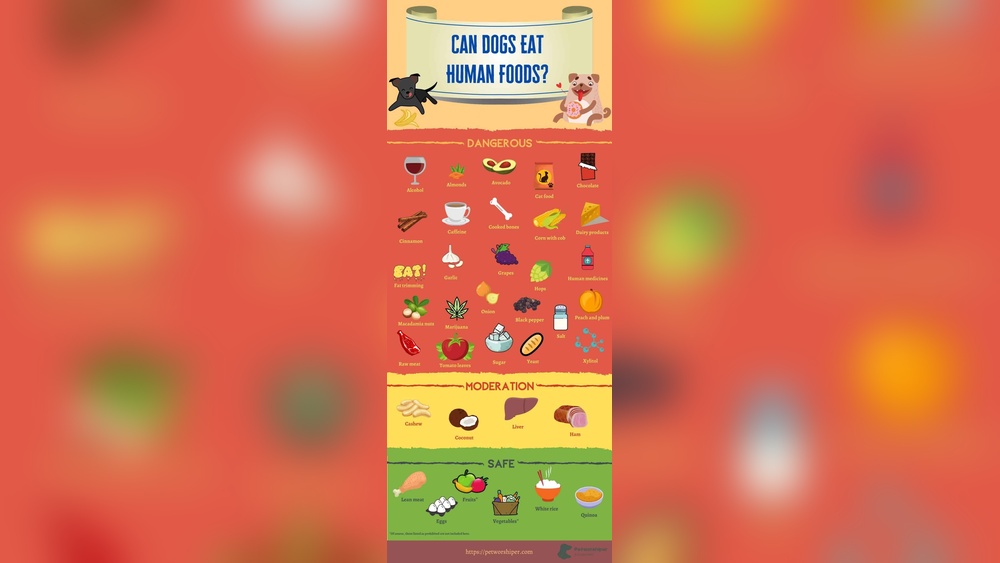
Many dog owners love to share a bit of their snack with their pets, especially when those big, hopeful eyes are watching. Fruit is often seen as a healthy treat for humans, so it’s easy to think it’s safe for dogs too. But not all fruits are dog-friendly. In fact, some can cause serious health problems or even be fatal. Knowing what fruits can dogs not eat is an important part of responsible pet care. This guide breaks down the most dangerous fruits, explains why they’re risky, and offers practical advice for safe snacking.
Why Some Fruits Are Dangerous For Dogs
Fruits contain natural sugars, vitamins, and fiber, but they can also have chemicals or parts that are toxic to dogs. Dogs have a different metabolism from humans. What’s safe for us can be poisonous for them. Sometimes, it’s not the fruit itself but the seed, pit, or skin that carries the most risk.
Symptoms of fruit poisoning in dogs can range from mild stomach upset to organ failure.
It’s also easy to overlook that even a small amount of the wrong fruit can cause harm—especially in puppies or small breeds. Always check before sharing any new food with your pet.
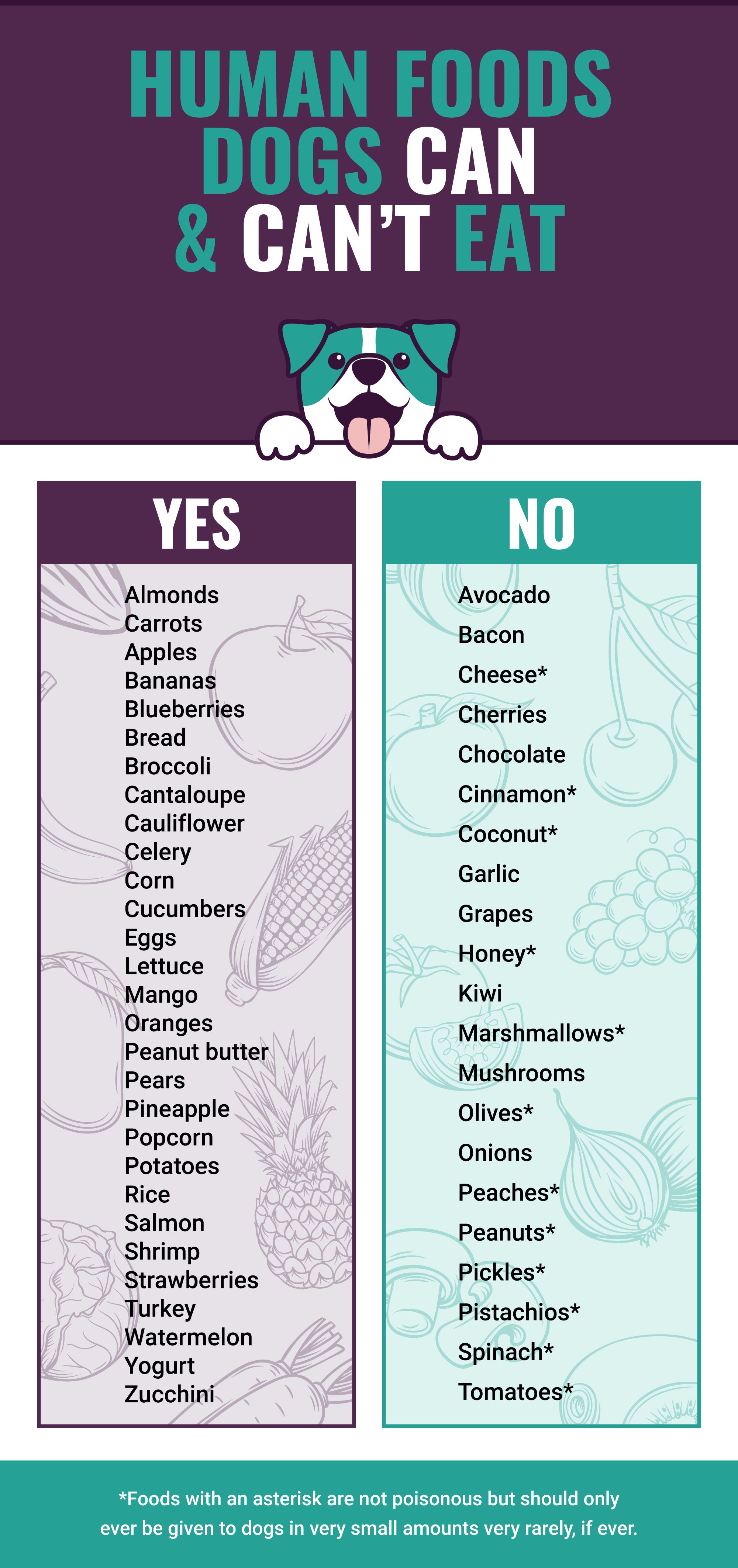
Fruits Dogs Should Never Eat
Some fruits are well-known for being unsafe for dogs, while others might surprise you. Below is a deep look at the most dangerous fruits and why they are risky.
1. Grapes And Raisins
Grapes and their dried form, raisins, are extremely toxic to dogs. Even a few grapes or raisins can cause sudden kidney failure. The exact substance that causes this reaction isn’t known, but it affects dogs of all breeds and sizes. Signs of poisoning include vomiting, diarrhea, and loss of appetite—sometimes within a few hours. Without fast treatment, kidney damage can be permanent or fatal.
2. Cherries
The main danger in cherries is the pit, stem, and leaves, which contain cyanide. Cyanide blocks oxygen from reaching the cells, and even small amounts can be dangerous. Chewing or swallowing the pit is the biggest risk, but even the flesh can upset a dog’s stomach. Large amounts may cause breathing trouble, red gums, and shock.
3. Avocado
Avocado contains a compound called persin, found in the flesh, pit, leaves, and skin. While some dogs can tolerate tiny amounts, persin can cause vomiting and diarrhea. The pit is also a choking hazard and can block the intestines if swallowed. Small breeds and puppies are at higher risk.
4. Citrus Fruits (oranges, Lemons, Limes, Grapefruit)
Citrus fruits like lemons, limes, and grapefruits contain citric acid and essential oils that can irritate a dog’s digestive system. Eating the peel, leaves, or stems is especially dangerous. Signs include vomiting, diarrhea, drooling, and sometimes depression or weakness. Oranges are less toxic but can still cause an upset stomach if eaten in large amounts.
5. Persimmons
Persimmons are not as toxic as grapes or cherries, but their seeds and skin can cause problems. The seeds can block the intestines, especially in smaller dogs. The fruit itself can cause stomach upset, vomiting, or diarrhea. Unripe persimmons are more likely to cause problems than ripe ones.
6. Currants
Currants are closely related to grapes and raisins. They can cause the same severe kidney failure, even in small amounts. Symptoms often appear within 12 hours and include vomiting, lethargy, and loss of appetite. Currants are sometimes hidden in baked goods, so check labels before sharing any food.
7. Unripe Tomatoes
While ripe tomatoes are safer, unripe tomatoes and green parts of the tomato plant contain solanine, which is toxic to dogs. Eating the stems, leaves, or unripe fruit can cause drooling, stomach upset, confusion, and heart problems. If your dog has access to a garden, keep them away from tomato plants.
8. Wild Berries
Not all wild berries are toxic, but many are risky. Berries like holly, mistletoe, and yew contain chemicals that can cause vomiting, diarrhea, and heart problems. It’s easy for dogs to eat these while walking outdoors, so keep a close watch.
9. Starfruit
Starfruit contains high amounts of oxalic acid, which can damage the kidneys. Dogs with existing kidney problems are at higher risk, but even healthy dogs can get sick from eating starfruit. Symptoms include drooling, vomiting, and in severe cases, seizures or death.
10. Elderberries
Elderberries, especially unripe or raw, contain cyanogenic glycosides. These chemicals release cyanide when eaten. Poisoning symptoms include vomiting, diarrhea, and difficulty breathing. Cooking destroys most toxins, but it’s safest to avoid elderberries altogether.
11. Mulberries
Mulberries are not usually deadly but can cause stomach upset and hallucinations in dogs. Unripe mulberries are more toxic than ripe ones. Eating too many can also cause loose stools.
12. Apricots
Like cherries, apricots contain cyanide in their pits, leaves, and stems. If a dog chews or swallows the pit, it can cause cyanide poisoning. Signs include drooling, trouble breathing, and bright red gums.
13. Peaches And Plums
The flesh of peaches and plums is not highly toxic, but their pits contain cyanide. Pits are also a choking hazard and can block the intestines. Dogs that eat whole fruits are at highest risk.
14. Apples (seeds And Core)
Apple flesh is safe in small amounts, but the seeds and core contain cyanide. Swallowing a few seeds won’t harm most dogs, but eating large amounts over time can cause poisoning. Always remove the seeds and core before sharing apples.
15. Mango (pit)
The mango pit contains small amounts of cyanide and is a choking hazard. The flesh is safe in moderation, but always remove the pit and skin.
16. Soursop
Soursop (also called graviola or guanabana) contains compounds that can cause neurological symptoms in dogs. Eating the fruit, seeds, or leaves can lead to vomiting, tremors, or even nerve damage.
17. Medlar
Medlar seeds and unripe fruit contain cyanide-like chemicals, which can cause poisoning. The fruit is rare in most countries, but it’s important to be aware if you grow it in your garden.

Credit: aeroclubcomo.com
You can also read :Best Yogurt for Dogs: Top Healthy Picks for 2026
How Dangerous Fruits Affect Dogs
The type of fruit, the amount eaten, and the size of the dog all matter. For example, a few grapes can kill a small dog, while a large dog might only get sick. Some toxins build up slowly, so repeated small doses are also risky.
Puppies, older dogs, and those with health problems are more sensitive.
Here’s a simple comparison of risk levels for common toxic fruits for dogs:
| Fruit | Main Toxin | Risk Level | Common Symptoms |
|---|---|---|---|
| Grapes/Raisins | Unknown | Very High | Kidney failure, vomiting |
| Cherries | Cyanide | High | Breathing issues, shock |
| Avocado | Persin | Medium | Vomiting, diarrhea |
| Citrus | Citric acid | Medium | Upset stomach, weakness |
| Currants | Unknown | Very High | Kidney failure, lethargy |
Hidden Dangers: Fruit Parts And Processed Foods
Sometimes the most dangerous part of a fruit is not the flesh but the pit, seed, or skin. For example, apple seeds, cherry pits, and peach pits all contain cyanide. Fruit peels or leaves can be coated in pesticides, which are also dangerous. Processed foods like fruit cakes, breads, and jams may contain hidden toxic fruits—always read labels before sharing.
It’s also easy to overlook dried or preserved fruits. Raisins and currants can be found in many snacks, while candied citrus peels are common in baked goods. These forms can be even more toxic because the harmful substances are concentrated.
Here’s a breakdown of which fruit parts are most dangerous:
| Fruit | Dangerous Part | Reason |
|---|---|---|
| Apple | Seeds, core | Cyanide poisoning |
| Cherry | Pit, stem, leaves | Cyanide poisoning |
| Peach/Plum | Pit | Cyanide & blockage risk |
| Avocado | Pit, skin, leaves | Persin poisoning |
| Tomato | Leaves, stem, unripe fruit | Solanine poisoning |
Credit: narainsmartschool.com
Common Myths And Mistakes
It’s a myth that all fruit is good for dogs. Some owners believe that if their dog has eaten a fruit before and seemed fine, it’s always safe. But reactions can change, and toxic effects can build up over time.
Another common mistake is thinking that “natural” means “safe. ” Even organic fruit can be risky if it contains the wrong chemicals.
Feeding dogs leftovers from human meals is also risky, as many dishes contain hidden fruits, seeds, or peels. Always introduce new foods slowly and in tiny amounts after checking if they’re safe.
Safe Alternatives: Fruits Dogs Can Eat
Not all fruit is off-limits. Many fruits are safe in moderation, and some are even healthy for dogs. Here are some safer options:
- Blueberries: High in antioxidants, low in calories.
- Bananas: Good for potassium, but high in sugar.
- Apples (without seeds or core): High in vitamin C and fiber.
- Watermelon (seedless, no rind): Hydrating and low-calorie.
- Strawberries: Contain vitamin C, but feed in moderation.
Always wash fruit, remove seeds and pits, and start with small pieces.
What To Do If Your Dog Eats A Toxic Fruit
If you think your dog has eaten a dangerous fruit, don’t wait for symptoms. Call your vet immediately. Fast action can make a big difference, especially with grapes, raisins, or any fruit containing cyanide. Bring the fruit or packaging if you visit the clinic.
Never try to make your dog vomit without professional advice.
Here’s a quick summary of first steps:
- Remove any remaining fruit from your dog’s mouth.
- Check for symptoms: Vomiting, diarrhea, drooling, confusion, or trouble breathing.
- Call your vet or an emergency animal clinic.
- Give details: The type and amount of fruit, and when it was eaten.
Key Insights Most Owners Miss
- Small amounts can be deadly: Even one or two grapes can cause kidney failure in a small dog.
- Symptoms can be delayed: Some toxins don’t show effects for hours or days, so watch your dog closely after any risky snack.
Many owners are surprised to learn that repeated exposure to small doses (like eating a few apple seeds every day) can also cause serious health problems over time.
For more details on dog poisoning and toxic foods, check out the ASPCA Animal Poison Control Center.

Credit: www.alpujarrasproperties.com
Frequently Asked Questions
Can Dogs Eat Strawberries Or Blueberries?
Yes, strawberries and blueberries are generally safe for dogs in small amounts. Remove stems and leaves, and feed only a few at a time to avoid stomach upset.
What Should I Do If My Dog Ate Grapes Or Raisins?
Contact your vet immediately. Grapes and raisins are highly toxic and can cause kidney failure, even in tiny amounts. Quick treatment is essential.
Are Apples Safe For Dogs?
Apple flesh is safe if you remove the seeds and core. The seeds contain cyanide, which is dangerous if eaten in large amounts or over time.
Can Dogs Have Watermelon?
Yes, seedless watermelon is safe for dogs in moderation. Remove the rind and seeds before feeding.
How Do I Know If A Fruit Is Safe For My Dog?
Always check reliable sources before offering new foods. When in doubt, ask your vet or consult an official animal poison control site.
Keeping your dog safe means knowing what fruits they can’t eat and watching for hidden risks in snacks and leftovers. A little caution goes a long way to protect your best friend’s health and happiness.