Many dog owners want to share their favorite foods with their furry friends, but some human foods are dangerous for dogs. Vegetables can be a healthy treat for your dog, but not all vegetables are safe. Knowing which vegetables are good for dogs, and how to serve them, is important for your pet’s health.
This guide explains which vegetables dogs can eat, why they are beneficial, and how to prepare them safely.
Why Feed Vegetables To Dogs?
Dogs are mainly meat-eaters, but they can benefit from vegetables too. Vegetables give dogs extra fiber, vitamins, minerals, and antioxidants. These nutrients help with digestion, support a healthy immune system, and can even help keep your dog’s weight in check.
However, vegetables should not replace your dog’s main diet. They should be given as snacks or mixed with regular food.
Some vegetables can be harmful or even toxic to dogs. That’s why you need to know which vegetables are safe, and how much to give.
Safe Vegetables For Dogs
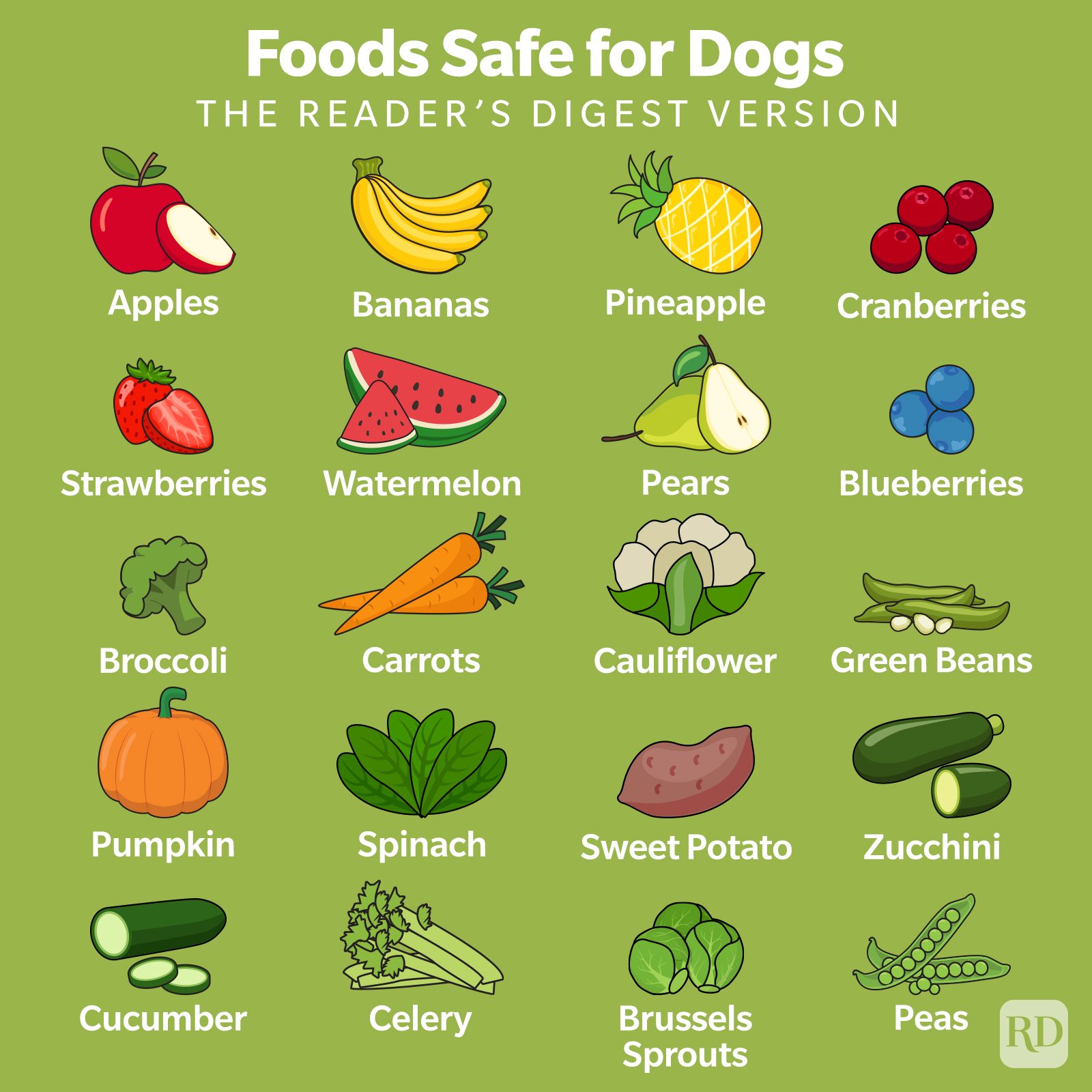
Here are the most common and safe vegetables dogs can eat, with tips on serving and benefits.
1. Carrots
Carrots are a favorite snack for many dogs. They are crunchy, low in calories, and full of beta-carotene, which helps with vision and immune health. Carrots are good both raw and cooked, but cut them into small pieces to avoid choking, especially for small dogs.
2. Green Beans
Green beans are low in calories and high in fiber. They can help dogs feel full without extra calories, making them a great choice for overweight dogs. Both cooked and raw green beans are safe, but avoid canned beans with added salt or spices.
3. Broccoli
Broccoli offers fiber and vitamin C. Small amounts are fine, but too much can cause stomach upset or gas. Give broccoli steamed or raw, but only as a treat and not more than 10% of your dog’s daily food.
4. Cucumbers
Cucumbers are mostly water, which makes them a refreshing, low-calorie snack. Dogs who need to lose weight can enjoy cucumbers as a treat. Remove seeds if possible and slice into small pieces.
5. Sweet Potatoes
Sweet potatoes are packed with fiber, vitamins, and antioxidants. They should be cooked and served plain, without butter or spices. Sweet potatoes must be cooked until soft to avoid choking or digestion problems.
6. Peas
Peas (green peas, snow peas, sugar snap peas) are rich in vitamins A, B, and K, plus protein and fiber. Fresh or frozen peas are good, but avoid canned peas with salt. Some dogs with kidney problems should avoid peas because of purines.
7. Pumpkin
Pumpkin is excellent for digestion. It can help with both diarrhea and constipation. Always serve cooked, plain pumpkin. Do not use pumpkin pie mix, which contains sugar and spices.
8. Spinach
Spinach contains iron and vitamins, but only give a small amount. Large amounts can affect the kidneys. Steam spinach to make it easier to digest.
9. Zucchini
Zucchini is safe for dogs and low in calories. It is full of vitamins and antioxidants. Serve it raw or cooked, but always cut into bite-size pieces.
10. Celery
Celery is good for breath and low in calories. It has vitamins and can help freshen your dog’s mouth. Cut into small pieces to avoid choking.
11. Bell Peppers
Bell peppers (red, green, yellow) are rich in vitamin C and antioxidants. Remove the seeds and stem, and serve in small amounts.
12. Cauliflower
Cauliflower is high in fiber and vitamins. Serve cooked or raw, but only in small amounts to avoid stomach upset.
13. Brussels Sprouts
Brussels sprouts are good for the immune system, but too many can cause gas. Steam or boil them, and serve in moderation.
14. Cabbage
Cabbage supports digestion and is full of antioxidants. Small amounts are safe cooked or raw, but too much can cause gas.
15. Kale
Kale is full of vitamins, but only give a little. Large amounts can upset the stomach or affect the kidneys.
16. Beets
Beets have fiber, folate, and vitamins. Cooked beets are easier to digest. They can stain your dog’s mouth or stool, so don’t be alarmed.
17. Lettuce
Lettuce (romaine, iceberg) is mostly water and low in nutrients, but it’s safe in small amounts. It can be a crunchy snack, especially for overweight dogs.
18. Asparagus
Asparagus is safe but can be tough to chew. Steam or boil it and cut into small pieces. Some dogs may not like its taste or texture.
19. Squash
Squash (butternut, acorn) is rich in vitamins and fiber. Cook squash and remove the seeds and skin before serving.
20. Edamame
Edamame (young soybeans) can be given plain and cooked. Do not add salt or seasoning. Give only in moderation, as soy can cause allergies in some dogs.

Credit: www.weltransim.eu
How To Serve Vegetables To Dogs
Giving vegetables the right way keeps your dog safe and healthy. Here are simple tips for preparing and serving veggies:
- Wash all vegetables to remove dirt and pesticides.
- Cut into bite-sized pieces to prevent choking.
- Cook tough vegetables like sweet potatoes or squash to make them easier to digest.
- Never add salt, butter, oil, or spices.
- Introduce new vegetables slowly to watch for allergies or stomach upset.
Some vegetables are better raw, while others should always be cooked. The table below compares common vegetables and the best way to serve them.
| Vegetable | Best Served | Notes |
|---|---|---|
| Carrot | Raw or Cooked | Cut small for safety |
| Sweet Potato | Cooked | No skin, no spices |
| Spinach | Steamed | Small amount only |
| Green Bean | Raw or Cooked | No salt |
| Broccoli | Raw or Steamed | Less than 10% of diet |
Vegetables Dogs Should Avoid
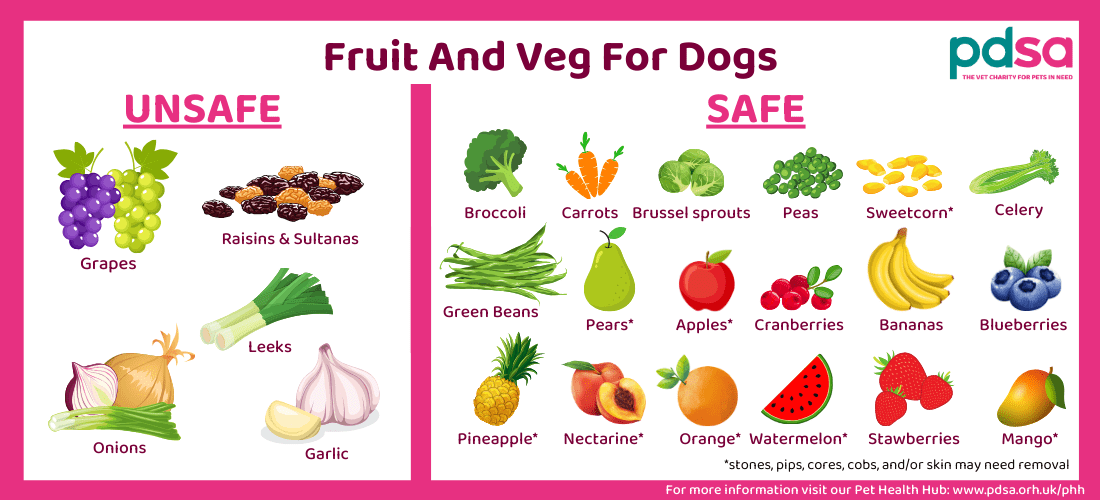
Not all vegetables are safe. Some can cause poisoning, stomach upset, or worse. Here are the most common vegetables to keep away from your dog:
- Onions – Can damage red blood cells and cause anemia.
- Garlic – Even small amounts are toxic and can lead to vomiting and weakness.
- Chives – Similar dangers as onions and garlic.
- Leeks – Also part of the onion family and toxic for dogs.
- Mushrooms (wild) – Some mushrooms are deadly.
- Rhubarb – Can cause kidney failure.
- Tomatoes (unripe or stems/leaves) – Contains solanine, which is harmful.
Even small amounts of these vegetables can be harmful. If your dog eats any of them, call your vet right away.
Portion Sizes And Frequency
Vegetables are treats, not main meals. They should make up less than 10% of your dog’s diet. Too many vegetables can cause diarrhea, gas, or blockages. Start with a small amount—about a tablespoon for small dogs, two tablespoons for medium dogs, and three for large dogs.
For example, a 30-pound dog can have 2-3 tablespoons of vegetables per day as snacks or mixed into regular food. Monitor your dog for any signs of upset, and adjust as needed.
Benefits Of Feeding Vegetables To Dogs
Adding safe vegetables to your dog’s diet offers several benefits:
- Low-calorie treats: Good for dogs who need to lose weight.
- Extra fiber: Helps with digestion and regular stools.
- Vitamins and minerals: Supports overall health and immunity.
- Dental health: Crunchy veggies like carrots can help clean teeth.
However, vegetables should not replace quality dog food. They are an extra, not the main source of nutrition.
Credit: sportyard.sa
Common Mistakes When Feeding Vegetables
Dog owners often make mistakes that can harm their pets. Here are a few to avoid:
- Giving too many vegetables at once, which can upset the stomach.
- Feeding raw potatoes or sweet potatoes, which are hard to digest.
- Adding butter, oil, salt, or spices, which are unhealthy for dogs.
- Feeding vegetables that are toxic, like onions or garlic.
Always check before giving a new vegetable, and introduce it slowly.
Comparing Nutrients In Popular Dog-friendly Vegetables
The table below shows the key nutrients in several popular vegetables per 100 grams.
| Vegetable | Calories | Fiber (g) | Vitamin A (IU) | Vitamin C (mg) |
|---|---|---|---|---|
| Carrot | 41 | 2.8 | 16,706 | 5.9 |
| Broccoli | 34 | 2.6 | 700 | 89.2 |
| Green Bean | 31 | 2.7 | 690 | 12.2 |
| Sweet Potato | 86 | 3.0 | 14,187 | 2.4 |
| Spinach | 23 | 2.2 | 9,377 | 28.1 |
This shows that different vegetables provide different vitamins and fiber. Mixing a few types is better than only giving one.
Special Tips For Feeding Vegetables
- If your dog is overweight, use vegetables instead of high-calorie treats.
- Always supervise your dog when trying a new vegetable.
- For picky eaters, mix vegetables with regular food or pureed for easy digestion.
- Avoid using commercial seasonings or sauces.
Many dog owners do not realize that some dogs are allergic to certain vegetables. Signs can include itchy skin, vomiting, or diarrhea. If you see these signs, stop feeding the new food.
Most owners also miss that cooking can make some vegetables more digestible for dogs. For example, cooking carrots or green beans softens fiber and makes nutrients easier to absorb.
When To Ask A Vet
If your dog has health issues like kidney disease, diabetes, or allergies, talk to your vet before adding new foods. Some vegetables, like peas and spinach, can affect dogs with certain conditions.
Also, if your dog shows signs like vomiting, diarrhea, or weakness after eating a vegetable, call your vet for advice.
For more detailed nutrition information, visit the American Kennel Club.
Credit: www.stbarthvillarental.com
Frequently Asked Questions
Can Dogs Eat Potatoes?
Cooked, plain potatoes are safe in small amounts, but raw potatoes are dangerous because they contain solanine. Always peel and cook potatoes before giving them to your dog.
Are All Green Vegetables Safe For Dogs?
No, not all green vegetables are safe. Some, like spinach and kale, should be given in small amounts. Others, like onions and leeks, are toxic. Always check before feeding a new green vegetable.
How Do I Know If My Dog Is Allergic To A Vegetable?
Signs of an allergy include itchy skin, vomiting, diarrhea, or swelling. Introduce new vegetables one at a time and watch for these symptoms.
How Often Can I Give My Dog Vegetables?
Vegetables are best as treats or mixed with regular food, not more than 10% of your dog’s daily food. You can give them daily in small portions.
Can Puppies Eat Vegetables?
Yes, puppies can eat safe vegetables in small amounts, but their main nutrition should come from puppy food. Always cut vegetables small and avoid hard or raw types for young puppies.
Giving your dog the right vegetables can improve their health, but always do it with care. A few simple changes can make snack time both safe and tasty for your best friend.