For most dogs in the United States, both dry and wet dog food can be healthy choices. The better option depends on your dog’s age, health, appetite, dental needs, budget, and your ability to store and serve the food safely.
A complete and balanced food matters more than whether it comes in a kibble or canned form. Look for a nutritional adequacy statement showing that the food meets AAFCO Dog Food Nutrient Profiles or passed an AAFCO feeding trial for your dog’s life stage.
Wet food may help dogs that need more water or have poor appetites. Dry food is often easier to measure, store, and use in food puzzles. Many dogs do well on a mix of both.

Dry vs. Wet Dog Food: The Main Differences
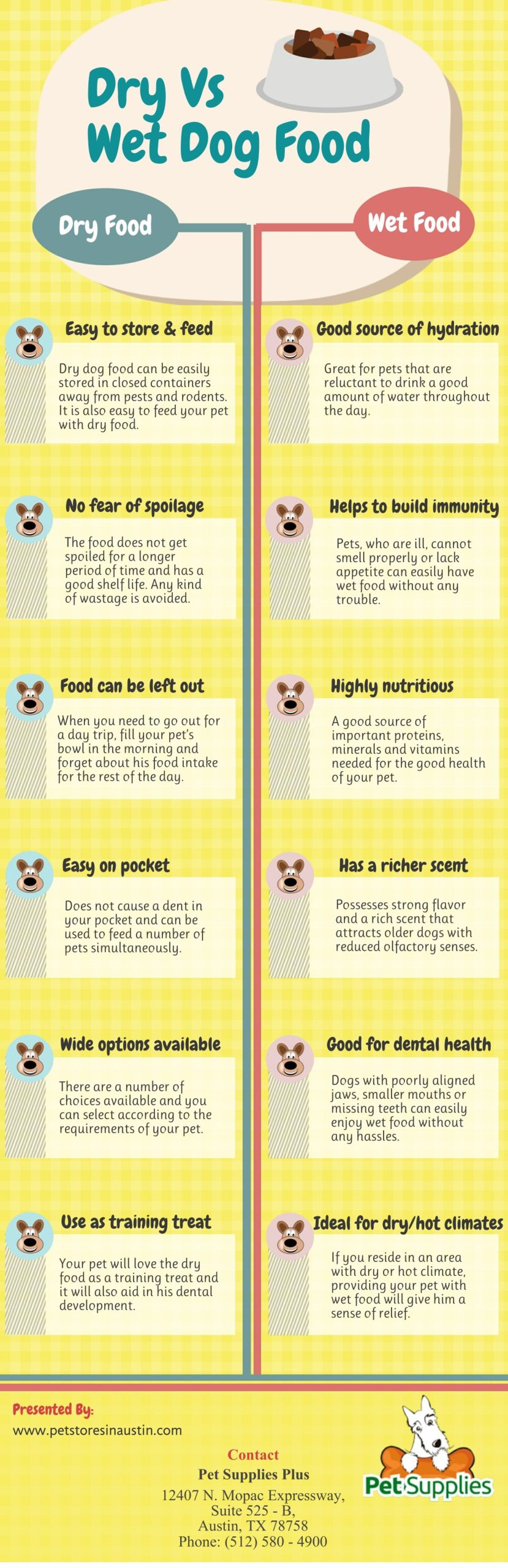
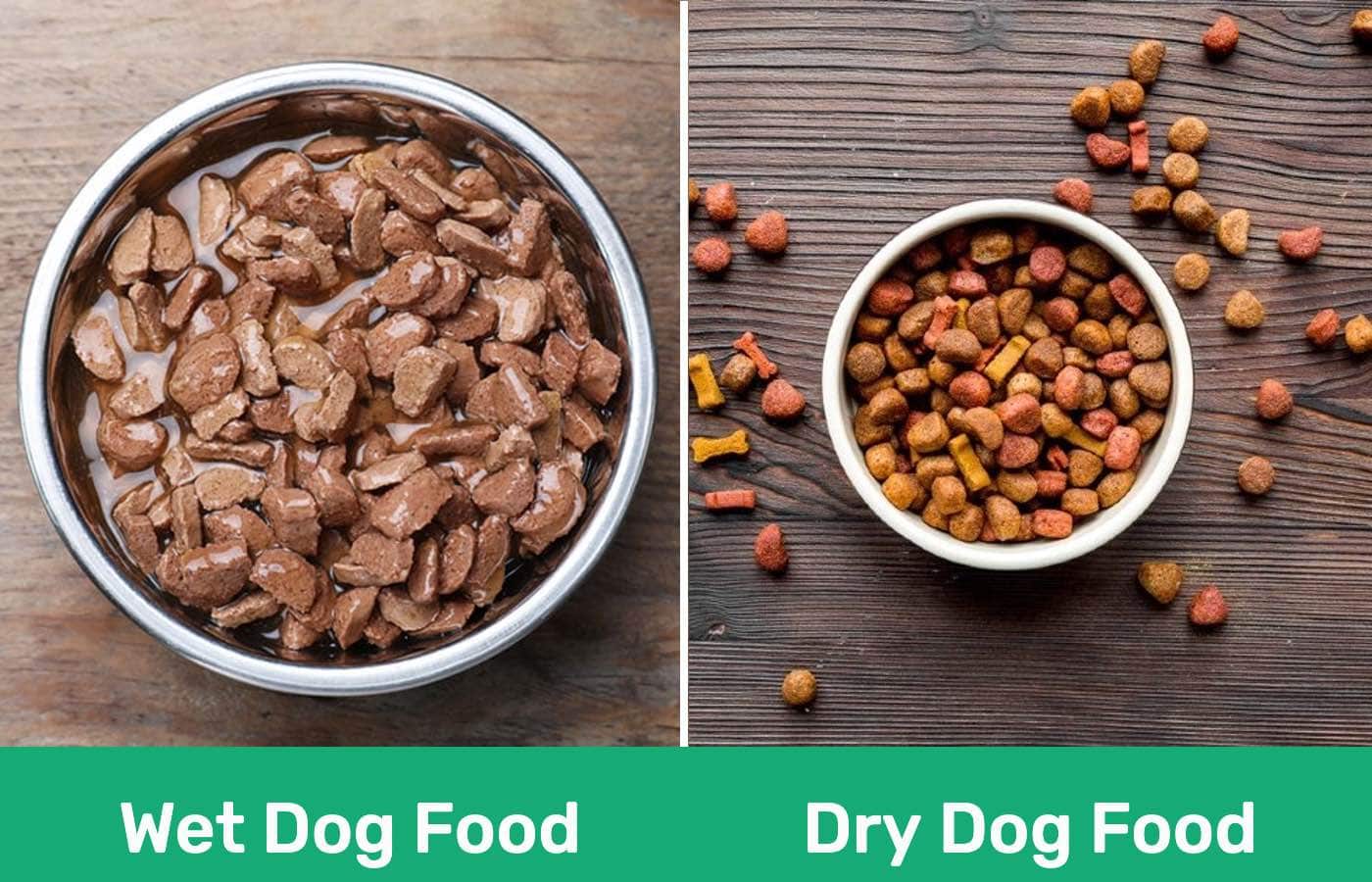
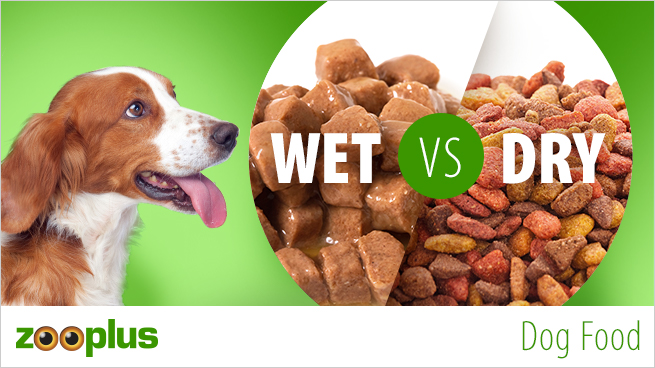
Dry food and wet food can both provide complete nutrition, but they differ in water content, calories, cost, storage, and texture.
| Feature | Dry dog food | Wet dog food |
|---|---|---|
| Water content | Usually about 10% | Often about 70%–85% |
| Calorie density | Usually higher per ounce | Usually lower per ounce |
| Storage | Easy to store before opening | Takes more space after opening |
| Cost per calorie | Often lower | Often higher |
| Serving | Simple to measure | May need refrigeration after opening |
| Appetite appeal | Good for many dogs | Often more appealing to picky eaters |
| Dental effect | May offer some chewing, but is not a dental treatment | Usually gives little chewing action |
| Hydration support | Adds little water | Adds a large amount of water |
These are general patterns. Food labels vary, so compare the calorie statement rather than judging portions by cup size alone.
Dry food
Dry food, also called kibble, contains less water. This makes it compact and energy dense. A small scoop may contain many calories.
Kibble is easy to measure and works well in training, puzzle feeders, and automatic feeders. It also tends to be less expensive per calorie, though prices vary by brand and formula.
Some dry foods are made for dental care and carry a Veterinary Oral Health Council, or VOHC, seal. These diets may help reduce plaque or tartar when used as directed. Ordinary kibble does not reliably clean a dog’s teeth.
Wet food
Wet food usually comes in cans, trays, or pouches. Its high water content can help increase a dog’s total fluid intake.
Many dogs prefer wet food because it has a stronger smell and a softer texture. It can help dogs with low appetite, missing teeth, mouth pain, or trouble chewing. However, a dog with ongoing poor appetite may be ill and should not be managed with food changes alone.
Wet food often costs more per calorie. Once opened, it must be covered and refrigerated. Follow the label’s storage directions and discard food that has sat out too long.
Which Is Healthier for Dogs?
Neither dry nor wet food is automatically healthier. The key question is whether the food is safe, complete, balanced, and suitable for your dog.
A food’s format tells you little about its overall quality. A dry food can be poorly suited to a dog, and a wet food can be well formulated. The reverse can also be true.
Check the following before choosing a food:
- Nutritional adequacy: Look for wording that says the food is complete and balanced for a specific life stage.
- Life stage: Puppy, adult maintenance, gestation, and senior formulas may have different nutrient targets.
- Calorie content: Use the label’s calories per cup, can, gram, or serving.
- Feeding directions: Treat these as a starting point, not a fixed prescription.
- Company information: A responsible manufacturer should provide clear contact details and answer questions about formulation and quality control.
- Your veterinarian’s advice: Dogs with disease may need a therapeutic diet, not simply a different texture.
The U.S. Food and Drug Administration regulates pet food under the Federal Food, Drug, and Cosmetic Act. FDA rules address safety, labeling, and adulteration. AAFCO develops model language and nutrient profiles used by many states, but AAFCO is not a federal regulator.
A food labeled “premium,” “natural,” or “holistic” is not automatically better. These terms may have limited value when compared with the adequacy statement, calorie content, ingredient information, and the dog’s response.

When Wet Food May Be the Better Choice
Wet food may be a better fit when your dog needs more dietary water, has trouble chewing, or refuses dry food.
Dogs that need more water
Wet food can support water intake because it contains much more moisture than kibble. This may be useful for dogs that drink poorly or need a diet with added moisture.
It does not replace veterinary care. Increased thirst, frequent urination, vomiting, diarrhea, or dehydration can signal illness. Contact a veterinarian if these signs are new, severe, or ongoing.
Dogs with dental pain or missing teeth
A soft diet can be easier for a dog with sore gums, broken teeth, or oral disease. A veterinarian should examine the mouth if your dog drops food, chews on one side, paws at the mouth, has bad breath, or suddenly stops eating hard food.
Wet food may make eating more comfortable, but it does not treat dental disease.
Picky eaters or dogs with low appetite
Wet food often has a stronger scent than dry food. Warming a small amount, under safe conditions, may make the smell more appealing.
Do not mask a continuing loss of appetite with increasingly tasty foods. A dog that refuses food, vomits, seems weak, or loses weight needs veterinary advice.
Certain medical conditions
Veterinarians may prescribe wet, dry, or mixed diets for conditions such as kidney disease, urinary problems, gastrointestinal disease, diabetes, or obesity. The correct choice depends on the full nutrient profile, not just the food’s water content.
For example, a dog with kidney disease may need controlled phosphorus and adjusted protein, while a dog with diabetes may need a carefully managed feeding plan. Ask your veterinarian before changing a therapeutic diet.

When Dry Food May Be the Better Choice
Dry food may suit healthy dogs that maintain a good weight, drink well, and enjoy chewing.
Easy portion control
Dry food is simple to weigh or measure. This helps when a dog needs a precise calorie plan.
A kitchen scale is more accurate than a measuring cup. This matters for small dogs, overweight dogs, and foods with different calorie densities.
Lower cost and simpler storage
An unopened bag is easy to store and often costs less per calorie than wet food. Dry food also works well for food-dispensing toys.
Keep kibble in its original bag, or place the closed bag inside an airtight container. Store it in a cool, dry place. Wash the container between bags to reduce the buildup of old oils and crumbs.
Use in training
Kibble can serve as part of a dog’s daily meal during training. Count those pieces as food, not as extra calories.
For dogs that need high-value rewards, use small treats and reduce the meal amount as needed. Treats and other extras should generally make up no more than 10% of daily calories unless your veterinarian gives different advice.
Dental care options
Some specially designed dental diets may reduce plaque or tartar. Look for evidence such as a VOHC acceptance, and follow the product directions.
Regular kibble alone is not a substitute for tooth brushing, professional dental care, or veterinary exams. Many dogs swallow kibble with little chewing.

Is Mixing Dry and Wet Dog Food Healthy?
Mixing dry and wet food can be healthy if the total diet remains complete, balanced, and within your dog’s calorie needs.
The main risk is overfeeding. Wet food and dry food have different calorie densities, so adding a full serving of one to a full serving of the other can quickly increase daily calories.
A simple mixed-feeding example
Imagine a dog needs 800 calories per day.
- The dry food provides 400 calories per cup.
- The wet food provides 400 calories per can.
- The dog receives half a cup of dry food and half a can of wet food.
That combination provides about 400 calories, not 800.
This is a hypothetical example. Use the actual calorie numbers on your food labels. If the label does not list calories clearly, ask the manufacturer or your veterinarian.
You can mix the foods in one bowl or serve them at different meals. Separate meals may work better for dogs that dislike mixed textures or for owners who want to track intake closely.
How to Choose the Best Food for Your Dog
Use this step-by-step method.
1. Start with your dog’s health
Consider age, weight, activity, allergies, digestion, dental health, and medical conditions.
A growing puppy, pregnant dog, working dog, and older dog may have different nutrient needs. A veterinarian can help identify those needs.
2. Check the adequacy statement
Choose a food labeled complete and balanced for your dog’s life stage. Avoid relying on ingredient lists alone.
Ingredients are listed by weight before processing. They do not show the full nutrient profile or how well a diet meets a particular dog’s needs.
3. Compare calories
Compare calories per cup for dry food and calories per can or pouch for wet food. Do not compare one cup of kibble with one can of food without checking the calorie difference.
If your dog gains weight, reduce calories gradually and review treats, chews, table scraps, and supplements.
4. Watch your dog’s response
Signs that the diet may be working include:
- Stable body weight
- Normal energy for the dog
- Firm, regular stools
- Healthy skin and coat
- Good appetite without frantic hunger
- No repeated vomiting or diarrhea
A shiny coat alone does not prove that a diet is ideal. Track the whole picture.
5. Change food slowly
Over about seven days, gradually replace the old food with the new food. A sensitive dog may need a slower change.
A simple plan is:
- Days 1–2: 75% old food and 25% new food
- Days 3–4: 50% old food and 50% new food
- Days 5–6: 25% old food and 75% new food
- Day 7: 100% new food
If vomiting, severe diarrhea, refusal to eat, or marked lethargy occurs, stop the change and contact a veterinarian. Do not force a sick dog to eat.

Common Mistakes to Avoid
The most common mistake is choosing by format alone. Dry food is not always better for teeth, and wet food is not always more nutritious.
Avoid these errors:
- Feeding equal volumes of dry and wet food: Their calories per cup or can may differ greatly.
- Ignoring treats: Treats, dental chews, toppers, and table food add calories.
- Leaving wet food out all day: Follow storage guidance and remove uneaten food.
- Using a large food bin without cleaning it: Old food can leave rancid oils behind.
- Changing food suddenly: Rapid changes can cause digestive upset.
- Choosing a food for a disease without veterinary guidance: Medical diets need precise nutrient control.
- Assuming “grain-free” means healthier: Grain-free diets are not automatically safer or more complete.
- Using homemade food without a formulated recipe: Home-prepared diets can lack key nutrients unless designed by a veterinary nutrition professional.
- Treating bad breath with food alone: Bad breath can be a sign of dental disease or another health problem.
If your dog has repeated digestive signs, weight loss, unusual thirst, trouble chewing, or a lasting change in appetite, schedule a veterinary exam.

Key Takeaways
- Dry and wet food can both be healthy for dogs.
- Choose a food that is complete and balanced for your dog’s life stage.
- Wet food provides more moisture and may help picky eaters or dogs with chewing problems.
- Dry food is often easier to measure, store, and use in food puzzles.
- Ordinary kibble does not replace tooth brushing or veterinary dental care.
- Mixing foods is fine when you control total calories.
- Dogs with medical conditions may need a veterinarian-prescribed diet.
- Your dog’s weight, stool, appetite, energy, and health are better guides than food format alone.
Frequently Asked Questions
Is wet food better for older dogs?
Not always. Wet food may help an older dog with dental pain, low appetite, or reduced water intake. But a healthy senior dog may do well on dry food, wet food, or both. The diet should match the dog’s medical and calorie needs.
Can dogs eat only wet food?
Yes, if the wet food is complete and balanced for the dog’s life stage and the dog receives enough calories. Good dental care still matters because wet food does not clean teeth.
Can dogs eat only dry food?
Yes, many dogs stay healthy on a complete and balanced dry diet. Make sure fresh water is available at all times. Dry food may not be suitable as the only diet for a dog with certain medical or dental problems.
Does wet food cause diarrhea?
Wet food does not automatically cause diarrhea. A sudden diet change, rich food, food intolerance, infection, parasites, or illness may cause digestive upset. Introduce new food slowly and contact a veterinarian if diarrhea is severe, bloody, persistent, or paired with vomiting or weakness.
Does dry food help clean a dog’s teeth?
Regular kibble provides limited dental cleaning and should not be treated as a dental-care plan. Some specially designed dental diets may help reduce plaque or tartar. Daily brushing and professional veterinary dental care remain important.
Should I add water to dry dog food?
Adding water can make dry food softer and may increase moisture intake. Use the food soon after adding water, especially in warm conditions, and avoid leaving it out for long periods. Ask your veterinarian first if your dog has a condition that requires strict diet or fluid management.
Conclusion
The best dog food is not determined by a dry-versus-wet rule. It is the food that is complete and balanced, fits your dog’s health needs, provides the right calories, and works well for your household.
For many dogs, dry food offers convenience and easy portion control. Wet food can add moisture and make meals more appealing. A combination can provide the benefits of both, as long as you adjust portions and monitor your dog’s weight.
Start with your dog’s health, read the calorie and adequacy statements, make changes slowly, and ask a veterinarian for help when illness, dental pain, or ongoing appetite changes are involved.