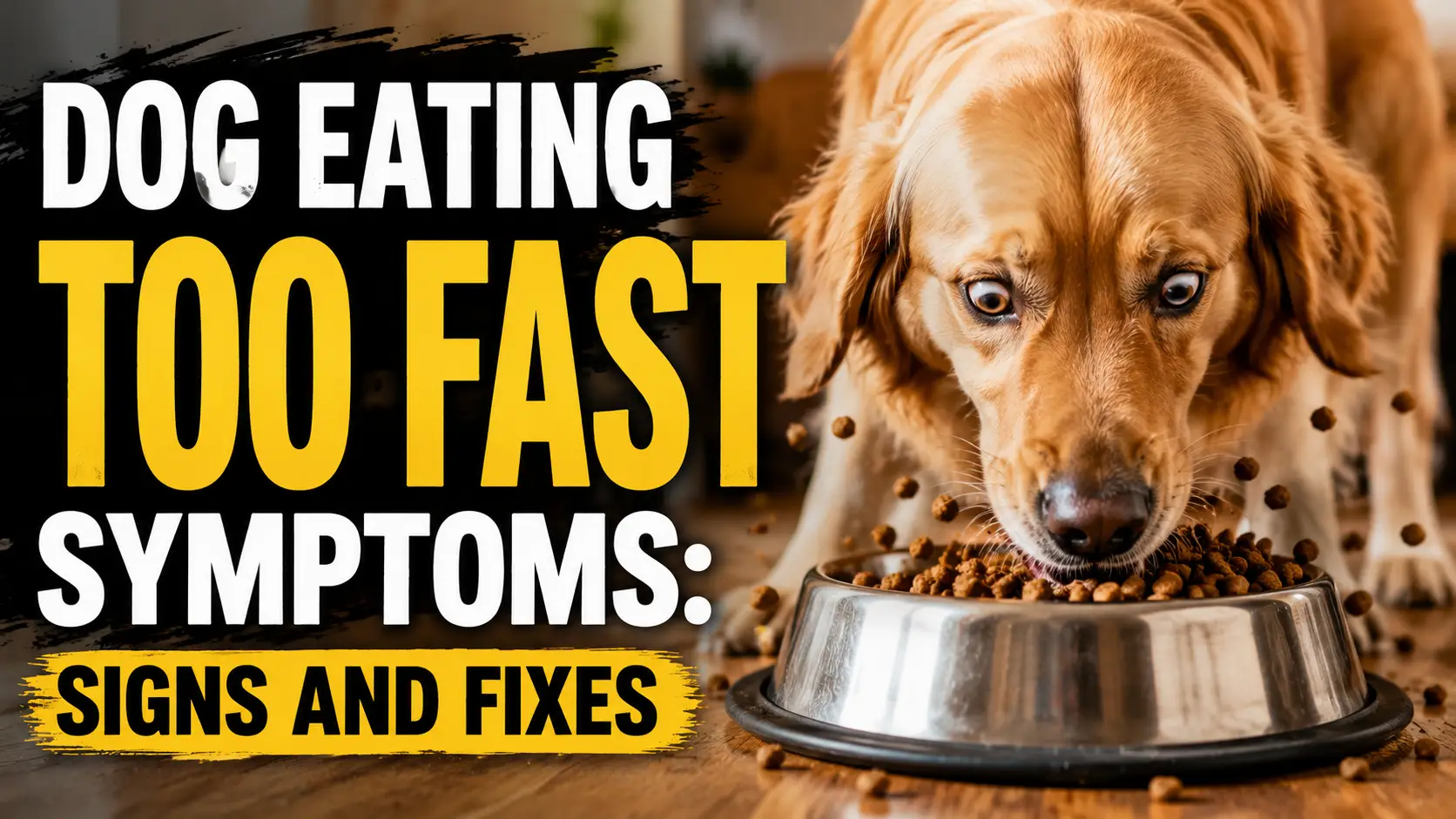
Dogs that eat too fast can choke, vomit, bloat, and show signs of stomach pain.
If you’ve ever watched a dog inhale dinner like it might disappear forever, you already know how stressful Dog Eating Too Fast Symptoms can look in real life. I’ve seen this happen with puppies, rescues, and even calm adult dogs that suddenly act like every meal is a race. The good news is that once you know the warning signs, the causes, and the safe fixes, you can protect your dog before a small habit turns into a bigger problem.
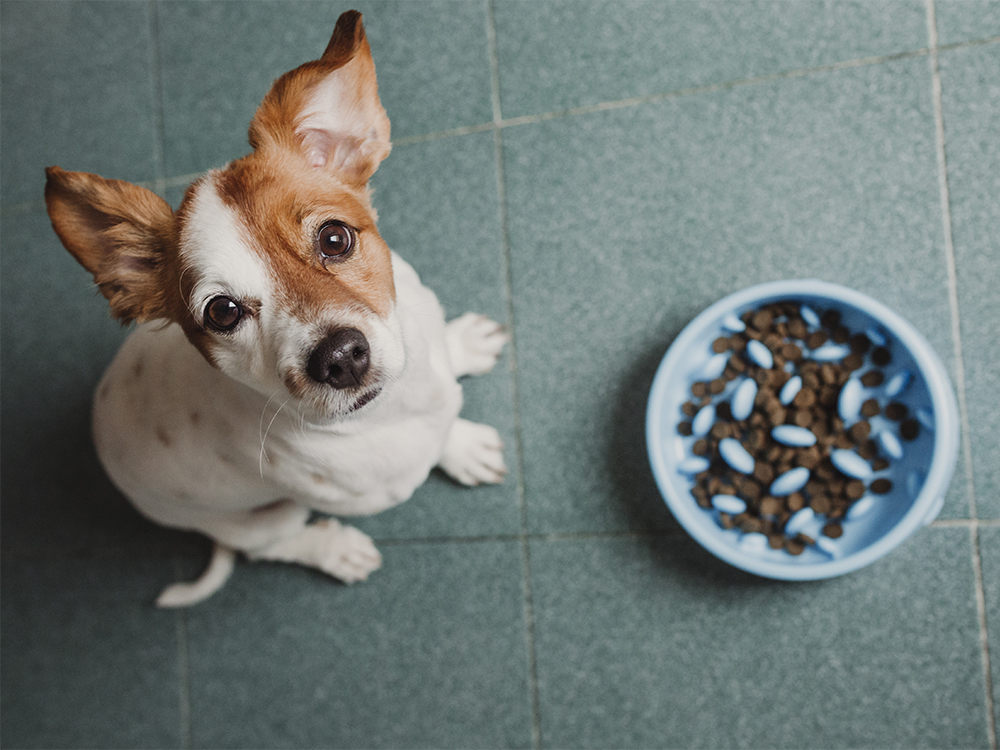
What Dog Eating Too Fast Symptoms Look Like
Dog Eating Too Fast Symptoms can show up right away or a little later after meals. The most common signs are gulping food, coughing, gagging, vomiting, burping, and swallowing without chewing. Some dogs also act restless during meals, pace around the bowl, or seem upset after eating.
In my experience, the biggest clue is not just speed. It is the way the dog acts after the meal. A dog that eats too fast may look bloated, lick the lips a lot, or stretch the neck and swallow hard. Those small clues matter because they can point to discomfort long before a serious issue starts.
Why Dogs Eat Too Fast
Dogs often eat fast for simple reasons. Some learned to rush food in a crowded litter. Others feel worried that food may be taken away, especially if they lived on the streets or in a home with more pets.
Common reasons include:
• Competition with other pets: Some dogs eat fast because they feel they must beat the others to the bowl.
• Hunger from poor feeding habits: Long gaps between meals can make a dog bolt food when it finally arrives.
• Anxiety or stress: Nervous dogs may gulp food when they feel unsafe or rushed.
• Breed traits: Some dogs, especially deep-chested breeds, can be more prone to eating quickly and developing stomach problems.
• Learned behavior: If a dog has always eaten fast, the habit can become automatic.
I’ve also noticed that some owners accidentally reinforce fast eating by refilling the bowl too quickly or feeding in a busy area. Dogs read the room better than we think. A noisy kitchen or another pet hovering nearby can make dinner feel like a competition.
Dog Eating Too Fast Symptoms You Should Not Ignore
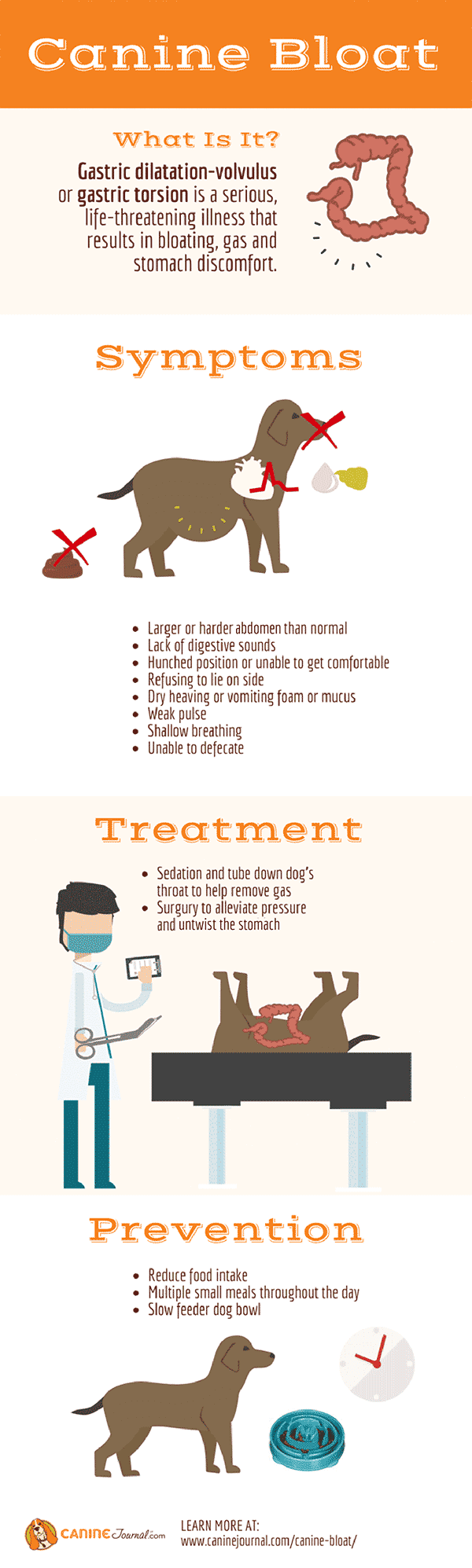
Some symptoms are mild, but others can be urgent. The main risk is that fast eating can lead to choking, vomiting, gas, or even bloat in serious cases. That is why it helps to watch for both the eating pattern and the body language afterward.
Here are the most important Dog Eating Too Fast Symptoms to watch for:
• Gagging or coughing during meals: Food may be going down the wrong way.
• Vomiting right after eating: This can happen when food is swallowed too fast and comes back up undigested.
• Excessive burping or gulping air: Fast eaters often swallow air with food, which can cause gas and discomfort.
• Belly swelling or tightness: A bloated abdomen can be a red flag.
• Restlessness after meals: Your dog may pace, whine, or seem unable to settle.
• Lip licking and repeated swallowing: These can point to nausea or throat irritation.
• Refusing to lie down after eating: Some dogs stay up and move around because they feel uncomfortable.
• Choking or pawing at the mouth: This needs immediate attention.
The symptom I pay the most attention to is repeated vomiting after meals. A one-time upset stomach can happen to any dog, but if the pattern keeps showing up, the speed of eating may be the real trigger.
Health Risks Linked to Eating Too Fast
Dog Eating Too Fast Symptoms are not just annoying. They can lead to real health problems if they happen often. One of the biggest concerns is gastric dilatation-volvulus, also called bloat, which is a life-threatening emergency. This is more common in large or deep-chested dogs, but any dog can have digestive trouble from eating too quickly.
Possible health risks include:
• Choking: Large pieces of food can get stuck in the throat.
• Vomiting and regurgitation: The stomach may reject food that was swallowed too fast.
• Gas and abdominal pain: Air swallowing can make the dog uncomfortable.
• Bloat: The stomach can fill with gas and twist, which is an emergency.
• Poor digestion: Food may not be broken down well, leading to loose stool or stomach upset.
• Weight issues: Some dogs overeat when they rush meals, which can affect weight over time.
A useful way to think about it is this: eating too fast is like trying to drink from a fire hose. The body can only handle so much speed before something goes wrong.
How to Slow Down a Dog That Eats Too Fast
The best fix depends on why the dog is rushing. In many homes, small changes make a big difference. The goal is to make meals calmer, slower, and less stressful.
Try these practical steps:
• Use a slow feeder bowl: The raised patterns force the dog to eat around obstacles.
• Spread food on a lick mat or puzzle feeder: This turns dinner into a slower, more engaging task.
• Feed smaller meals more often: Two or three smaller meals can prevent intense hunger.
• Separate pets during feeding: Give each dog a quiet, private spot.
• Place the bowl in a calm area: Less noise and less traffic can reduce stress.
• Add water or wet food carefully: This may slow down some dogs, but ask your vet if your dog has special needs.
• Hand feed part of the meal: This can help anxious dogs feel safer and pace themselves.
• Train “wait” and “leave it”: These cues can reduce frantic behavior around food.
One mistake I’ve seen many people make is switching to a slow feeder and then giving up after one day because the dog seems annoyed. That annoyance is normal. The dog is learning a new meal pace, and patience matters.

When Dog Eating Too Fast Symptoms Need a Vet Visit
Some fast eating is a habit. Other times, it is a sign of a deeper issue. If your dog suddenly starts eating much faster than usual, or if the behavior comes with other symptoms, a vet check is a smart move.
Call your vet if you notice:
• Repeated vomiting after meals
• Diarrhea or ongoing loose stool
• Weight loss despite a good appetite
• Coughing, gagging, or choking
• Swollen belly or signs of pain
• Sudden change in eating behavior
• Refusal to eat after a fast meal episode
Get emergency help right away if your dog has a hard belly, tries to vomit but nothing comes up, drools heavily, acts weak, or seems distressed after eating. Those can be warning signs of bloat or another serious problem.
Best Feeding Habits for Prevention
Prevention works better than cleanup after a bad meal. A steady routine can reduce Dog Eating Too Fast Symptoms and make feeding time much safer.
Helpful feeding habits include:
• Keep a regular schedule: Dogs do better when meals happen at the same time each day.
• Avoid long fasting periods: Very long gaps can make a dog ravenous.
• Measure food carefully: Don’t free-feed unless your vet recommends it.
• Keep mealtime calm: Avoid loud noises, rough play, or other pets crowding the area.
• Watch portion sizes: Overfeeding can make fast eating worse.
• Use enrichment toys: These can turn food into a slower, mentally engaging activity.
• Monitor after meals: A few minutes of calm observation can help you spot warning signs early.
This is one of those areas where consistency really pays off. I’ve found that dogs respond well when meals feel predictable. It’s a little like setting a rhythm the body can trust.
Common Mistakes Owners Make
A lot of well-meaning owners try to fix fast eating in ways that do not help much. Some even make the problem worse without realizing it.
Avoid these mistakes:
• Feeding in a rush: Dogs often mirror human energy.
• Using a bowl that is too deep or too small: This can make eating awkward or even unsafe.
• Ignoring repeated vomiting: “He always does that” is not a safe plan.
• Letting dogs compete for food: Competition increases speed and stress.
• Making one huge meal a day: That can lead to extreme hunger and gulping.
• Assuming fast eating is always harmless: Sometimes it is, but not always.
A simple rule I follow is this: if a habit repeatedly causes stress after meals, it deserves a fix. Small problems are easiest to solve before they grow.
Frequently Asked Questions of Dog Eating Too Fast Symptoms
Why does my dog eat so fast?
Dogs often eat fast because of habit, anxiety, hunger, or competition with other pets. Some dogs also learned early in life that they had to eat quickly to get enough food.
Is it normal for a dog to vomit after eating too fast?
It can happen, but it should not be ignored if it keeps happening. Repeated vomiting after meals may mean your dog needs a slow feeder, a feeding schedule change, or a vet exam.
Can eating too fast cause bloat in dogs?
Yes, fast eating can increase the risk of bloat, especially in large or deep-chested dogs. Bloat is a medical emergency, so a swollen belly, restlessness, or unproductive retching needs immediate attention.
What is the best bowl for a dog that eats too fast?
A slow feeder bowl is often the best first step. Puzzle feeders and lick mats can also help by making meals take longer and feel calmer.
When should I worry about my dog’s fast eating?
Worry if the behavior is new, extreme, or paired with vomiting, choking, belly swelling, or pain. Those signs can point to a health problem that needs vet care.
Conclusion
Dog Eating Too Fast Symptoms can be easy to miss at first, but the signs usually show up in clear ways like gulping, choking, vomiting, gas, and restlessness after meals. Once you understand the cause, you can make simple changes that help your dog slow down and feel better at mealtime.
The best approach is a calm routine, the right feeding tools, and close attention to any warning signs. If your dog keeps showing symptoms or seems uncomfortable after eating, talk with your vet and make a plan that fits your dog’s needs. Start with one small change today, and if this guide helped, share it with another dog owner or leave a comment with your own experience.