Introduction
The safest way to store dog food in the United States is to keep it in a cool, dry place, protect it from pests and moisture, and follow the food maker’s storage and use instructions. Keep dry food in its original bag, place the bag in a clean, dry container if needed, and refrigerate opened wet food promptly.
Good storage helps protect taste and nutrients. It also lowers the risk of mold, spoilage, pests, and foodborne illness. A few simple habits can keep your dog’s meals fresh from the store shelf to the bowl.
Key Takeaways
- Store dry dog food in a cool, dry place below 80°F, when possible.
- Keep kibble in its original bag, even when you use an airtight container.
- Wash and dry food containers between bags.
- Refrigerate opened canned or pouch food promptly.
- Follow the package label for storage and discard dates.
- Throw away food with mold, insects, a bad smell, damaged packaging, or unusual texture.
- Wash your hands, bowls, scoops, and storage containers often.
- Store food away from household chemicals, medicines, cleaning products, and pet waste.
Where Should You Store Dry Dog Food?
Store dry dog food indoors in a cool, dry area away from sunlight, heat, humidity, and pests. A pantry, kitchen cabinet, or dedicated food cupboard often works well.
The U.S. Food and Drug Administration (FDA) advises storing dry pet food in a cool, dry place below 80°F. Heat and moisture can speed up spoilage and may encourage mold growth.
Good storage locations include:
- A pantry with a stable temperature
- A closed kitchen cabinet
- A clean utility cupboard
- A dedicated pet-food bin kept indoors
Avoid these locations:
- Garages that become hot in summer
- Sheds or outdoor storage areas
- Damp basements
- Uncovered porches
- Areas beside ovens, stoves, or heaters
- Places where children or pets can open the bag
Do not store dog food beside bleach, pesticides, detergents, motor oil, or other chemicals. A leak or spill could contaminate the food.
Sunlight can also damage packaging and warm the food. Keep bags and containers out of direct light, even if the package looks sealed.
Should You Keep Dog Food in the Original Bag?
Yes. Keep dry dog food in its original bag whenever possible. The bag contains key information, such as the product name, lot number, expiration or “best by” date, feeding directions, and manufacturer contact details.
This information matters if the food is recalled or if your dog becomes ill after eating it. If you pour the food into another container and discard the bag, you may lose the details needed to identify the product.
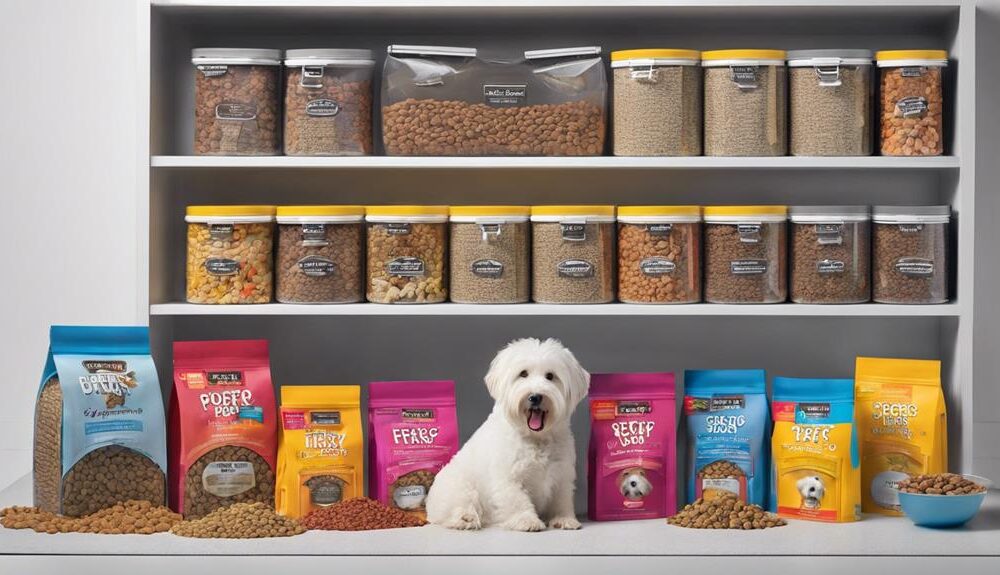
For added protection, place the entire bag inside a clean, airtight container. This method helps limit air, moisture, insects, and odors while preserving the product label.
Choose a container that is:
- Food-safe
- Dry and clean
- Large enough to hold the bag without crushing it
- Easy to seal
- Easy to wash
- Made from sturdy plastic, stainless steel, or another suitable material
Do not mix a new bag of food with old food. Small amounts of old kibble can remain in corners and may be stale or contaminated. Empty and clean the container before adding a new bag.
If you must remove the food from its bag, cut out and save the label panel. Keep it with the container until the food is gone.

How to Store Dog Food in an Airtight Container
An airtight container can help protect kibble, but it must be used correctly. The container does not make old or spoiled food safe. It only reduces exposure to air, moisture, pests, and household odors.
Follow these steps:
- Check the bag before opening it. Look for tears, wet spots, insects, or an unusual smell.
- Read the label. Note the “best by” date and any storage directions.
- Clean the container. Wash it with hot, soapy water.
- Rinse it well. Soap residue should not remain.
- Dry it fully. Even a small amount of trapped moisture can harm dry food.
- Place the original bag inside the container. Fold or seal the top of the bag.
- Close the lid firmly.
- Store the container in a cool, dry location.
- Clean the container before the next bag.
A rolling food bin may help with heavy bags, but it should still have a tight lid and stay indoors. Large containers can also create a problem: food may sit in them for too long. Choose a size that matches how much your dog eats.
A useful planning formula is:
Days of food = total food weight ÷ food used per day
For example, if a bag holds 20 pounds and your dog eats 0.5 pounds per day, the bag holds about 40 days of food. This is a simple estimate. Treats, changes in portions, and more than one dog can change the result.
Buy an amount your dog can finish while the food is still within the package’s recommended use period. Bigger bags may cost less per pound, but they are not always the best choice for a small dog or a dog that eats slowly.
How Should You Store Wet or Canned Dog Food?
Store unopened cans and pouches in a cool, dry cupboard. Keep them away from heat, moisture, direct sunlight, and chemicals.
After opening wet dog food, cover it and refrigerate it promptly. Use a clean, airtight lid or transfer the food to a clean, covered container. Do not leave opened wet food sitting in the bowl for long periods, especially in a warm room.
Follow the product label for how long opened food can be kept. Storage times vary by product. If the label gives no clear instruction, contact the manufacturer or ask your veterinarian for guidance.
Before serving refrigerated food, check it for:
- A sour or rotten smell
- Mold
- A slimy texture
- Unusual color
- A swollen or leaking container
- A taste or appearance that differs from normal
Never feed food from a can that is bulging, leaking, badly dented near a seam, or rusted through. Do not taste questionable pet food to decide whether it is safe.
Some dogs dislike cold food. You can let a portion sit briefly at room temperature before serving, but do not leave wet food out for extended periods. Discard leftovers that have been in the bowl too long, particularly in hot weather.
How Should You Store Fresh, Frozen, or Raw Dog Food?
Fresh, frozen, and raw dog foods need stricter temperature control than dry kibble. Follow the package directions first because products differ in ingredients, processing, and packaging.
For frozen food:
- Keep it frozen until you need it.
- Thaw it in the refrigerator unless the label says otherwise.
- Use thawed food within the time stated on the package.
- Do not refreeze food unless the manufacturer specifically permits it.
- Keep it away from food meant for people.
For fresh refrigerated food:
- Keep it cold during storage.
- Use a clean, sealed container after opening.
- Follow the package’s use-by instructions.
- Do not leave it at room temperature longer than the label allows.
Raw pet food can contain harmful bacteria, including Salmonella and Listeria. The FDA and the Centers for Disease Control and Prevention advise careful handling of raw pet food. Wash hands, bowls, utensils, and preparation surfaces after contact with raw food.
Use extra caution if your home includes:
- Young children
- Older adults
- Pregnant people
- People with weakened immune systems
- Pets with health problems
Raw food should not share preparation surfaces with human food. Keep it sealed and stored below ready-to-eat foods in the refrigerator or freezer to reduce the chance of leaks and cross-contamination.
Ask your veterinarian before switching to a raw diet. The diet may also create nutrition and food-safety concerns that are not solved by refrigeration alone.
How Long Does Dog Food Last After Opening?
Dry dog food often remains usable until the package’s stated date when it stays sealed and is stored correctly. Once opened, exposure to air, heat, and moisture can reduce freshness.
The exact usable period depends on:
- The food’s ingredients
- The package design
- Storage temperature
- Humidity
- How often the bag is opened
- Whether the food contains more perishable fats
- The manufacturer’s instructions
Use the oldest opened food first. Keep the bag closed between meals, and avoid leaving the scoop inside the food. A scoop can carry moisture, dirt, or bacteria into the bag.
For wet, fresh, and raw foods, the safe storage period after opening is usually much shorter. Use the package instructions rather than relying on a general rule.
The printed date is not a reason to ignore the food’s condition. Discard food before that date if the package is damaged or the food looks, smells, or feels abnormal.
How Can You Tell if Dog Food Has Gone Bad?
Discard dog food when there are clear signs of spoilage or contamination. Do not try to rescue moldy, wet, or foul-smelling food by removing only the affected part.
Check for:
- Mold or fuzzy growth
- Insects, larvae, or webbing
- A rancid, sour, or chemical smell
- Wet or clumped kibble
- Greasy residue that is not normal for the product
- Unusual color
- A swollen, leaking, or damaged can
- Torn, wet, or contaminated packaging
- A sudden refusal to eat food your dog normally enjoys
A slight change in appetite does not always mean food has spoiled. Dogs can refuse food because of stress, pain, illness, medication, or other causes. Contact a veterinarian if your dog will not eat, vomits, has diarrhea, seems weak, or shows other signs of illness.
If several pets become ill after eating the same food, stop serving it. Save the package, lot number, and remaining food. Call your veterinarian and check the FDA’s pet food recall information. Do not throw away the packaging before recording these details.

How Often Should You Clean a Dog Food Container?
Clean the storage container every time you finish a bag of dry food. Do not simply add new kibble on top of old kibble.
A simple cleaning routine is:
- Empty all remaining food.
- Remove crumbs and oily residue.
- Wash the container with hot, soapy water.
- Rinse it well.
- Air-dry it completely.
- Clean the lid, seal, scoop, and wheels if present.
- Refill it only when every part is dry.
Wash food and water bowls often. The FDA recommends cleaning pet food bowls and utensils to help reduce contamination. Stainless steel and dishwasher-safe materials can make cleaning easier, but always follow the product instructions.
Do not use a container that still smells strongly of detergent, chemicals, or a previous food. Strong odors can affect palatability, and chemical residue can be dangerous.

Common Dog Food Storage Mistakes
Avoiding a few common errors can make storage safer and simpler.
Pouring new food onto old food
This can leave stale food and crumbs at the bottom. Clean the container between bags.
Leaving the bag open
An open bag allows air, moisture, insects, and household odors to reach the food. Fold, clip, or seal the top.
Storing food in a hot garage
Temperatures can rise sharply in garages, especially during summer. Heat may reduce freshness and shorten the food’s useful life.
Keeping food beside chemicals
Dog food can absorb odors and may become contaminated by spills. Use a separate storage area.
Using a wet scoop
Moisture can enter the food and encourage mold. Keep the scoop clean and completely dry.
Ignoring recalls
A food can look normal and still be part of a recall. Keep the lot number and product name until the food is gone.
Feeding questionable leftovers
Dogs may eat food that smells bad, but that does not make it safe. When in doubt, discard it.
A Simple Dog Food Storage Routine
Use this routine each time you buy and serve dog food:
- Inspect the package at the store. Avoid torn, wet, leaking, swollen, or badly damaged packaging.
- Record the date you open it. This helps you track freshness.
- Keep the original label. Save the lot number and date.
- Store dry food in a cool, dry place.
- Use a clean, dry, sealed container.
- Wash your hands before and after handling food.
- Use a clean, dry scoop.
- Refrigerate opened wet food promptly.
- Clean bowls after meals or at least daily.
- Check food before serving.
- Clean the container before opening a new bag.
- Monitor your dog for illness or unusual changes.
The system is working when the food stays dry, smells normal, remains free of pests, and your dog eats it without digestive problems linked to storage.

Key Takeaways
Safe dog food storage does not need to be complicated. Keep dry food cool, dry, sealed, and in its original bag. Refrigerate opened wet food, follow the label for fresh and raw products, and clean containers between bags.
If food looks or smells wrong, do not serve it. Save the package details if your dog becomes ill, and contact a veterinarian when symptoms are severe, persistent, or affecting more than one pet.
FAQs
Can I store dog food in the garage?
It is usually better to store dog food indoors. Garages can become hot, cold, damp, or accessible to pests. If you must use a garage briefly, keep the food sealed, off the floor, away from chemicals, and within the temperature range on the package.
Is it safe to freeze dry dog food?
Freezing dry dog food is usually unnecessary and can introduce moisture when the food warms and condensation forms. Store it in a cool, dry place unless the manufacturer gives different instructions.
Can I leave kibble in my dog’s bowl all day?
Some households use free-choice feeding, but food left out can collect dust, insects, moisture, and bacteria. A timed meal routine gives you better control over freshness and intake. Ask your veterinarian for advice if your dog has diabetes, weight problems, digestive disease, or another condition that affects feeding.
Should I wash a dog food bowl every day?
Yes. Wash food bowls regularly, ideally after meals for wet or raw food and at least daily for dry food. Water bowls also need frequent cleaning because slime and bacteria can build up.
What should I do if my dog eats spoiled food?
Call your veterinarian for advice, especially if your dog vomits, has diarrhea, seems tired, refuses food, has trouble breathing, or shows other unusual signs. Save the food package, lot number, and any remaining food. Do not give human medicines unless a veterinarian tells you to.
Conclusion
The best way to store dog food is to control heat, moisture, air, pests, and handling. Keep dry food in its original bag inside a clean container, refrigerate opened wet food, and follow the label for fresh, frozen, and raw diets.
Make storage part of your normal feeding routine: check the food, use a dry scoop, clean the bowl, and wash the container before the next bag. These small steps help protect your dog’s meals and make problems easier to spot early.