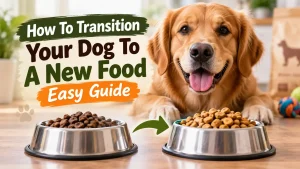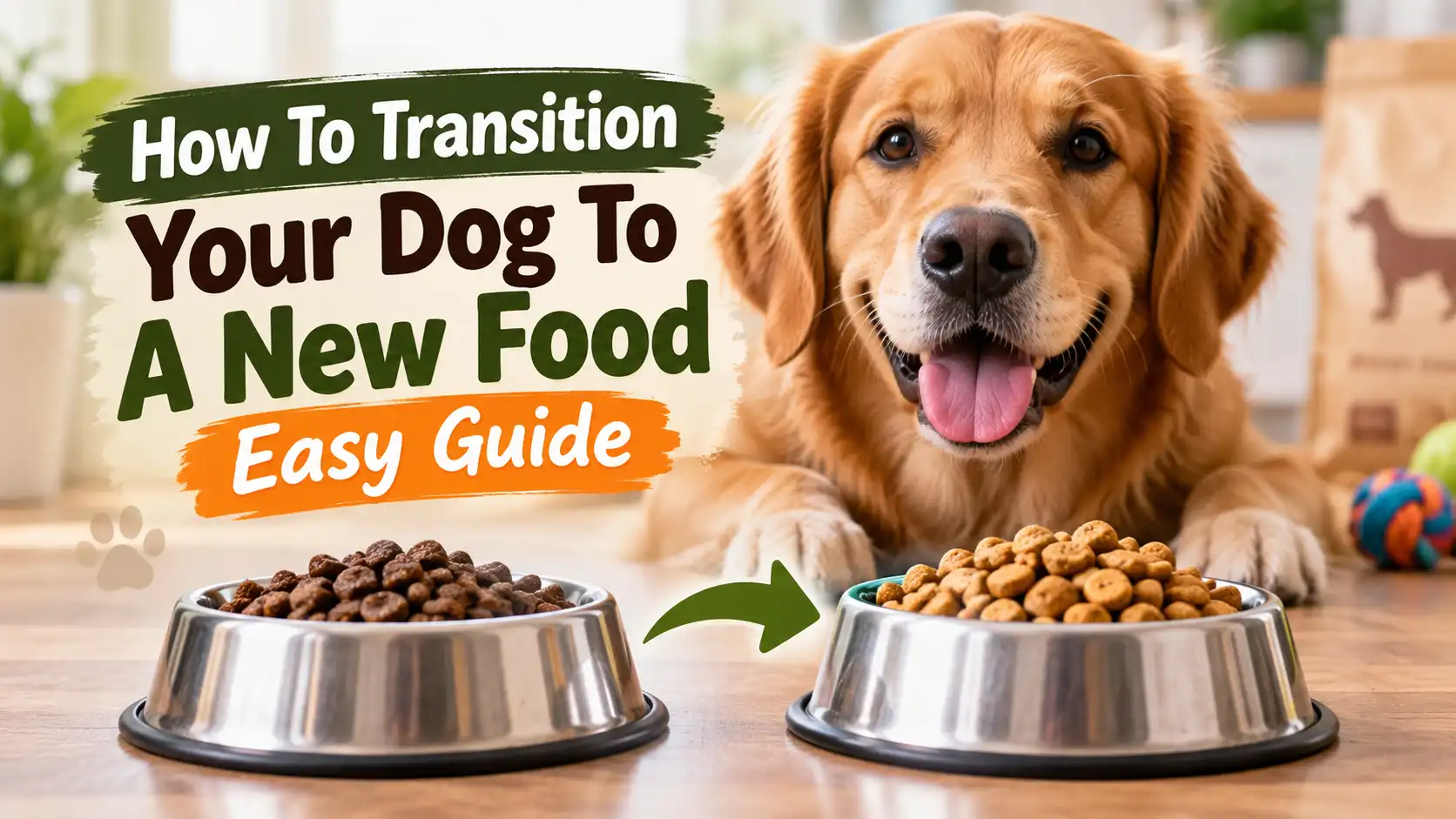
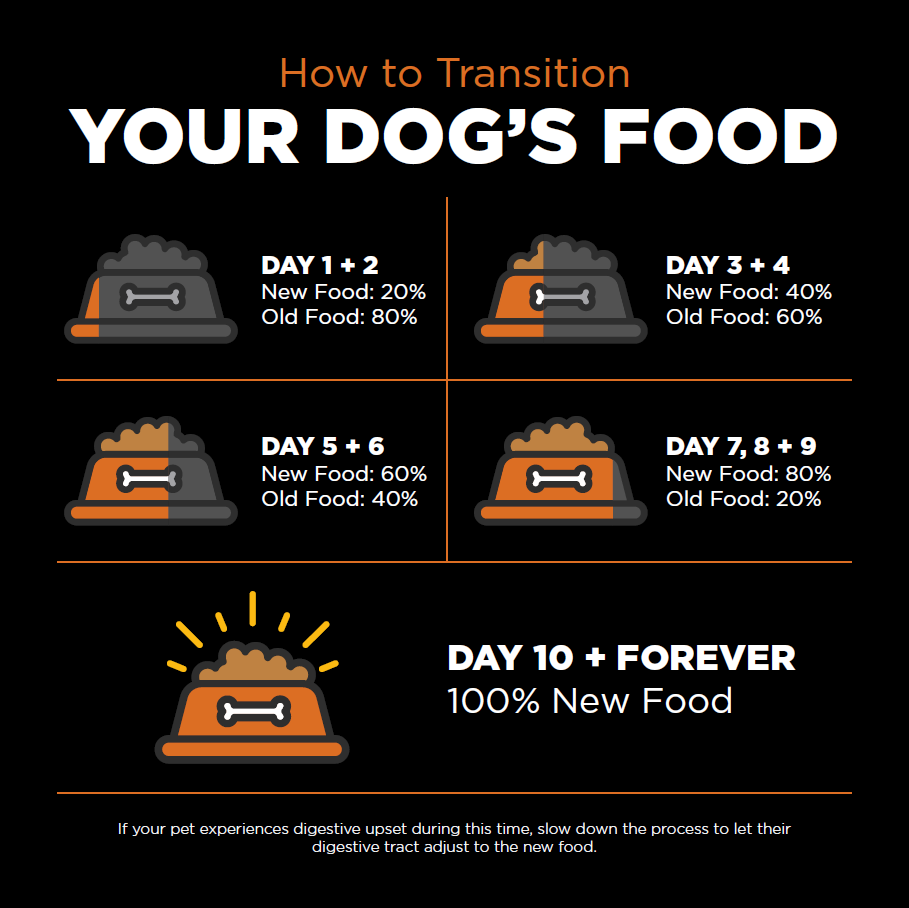
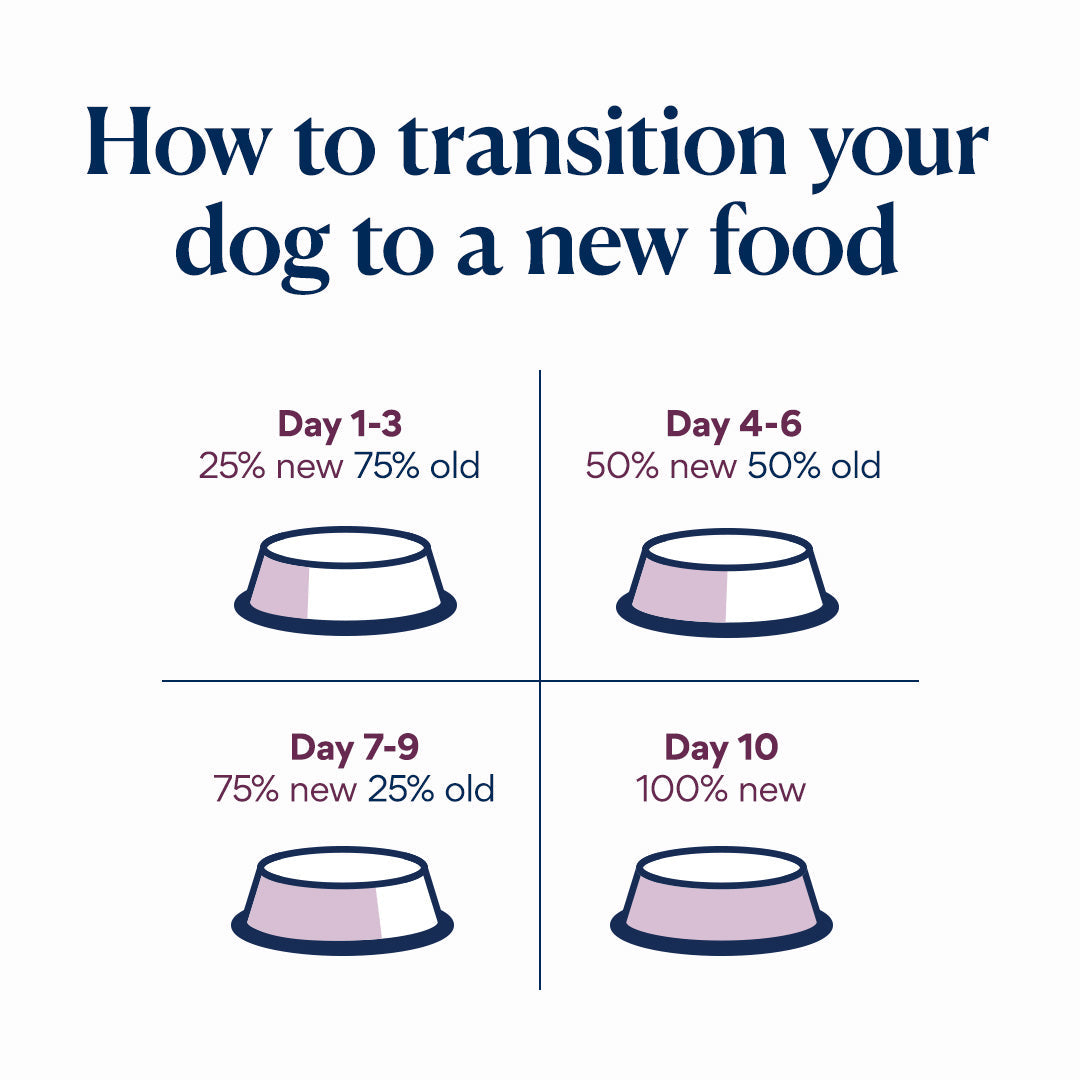
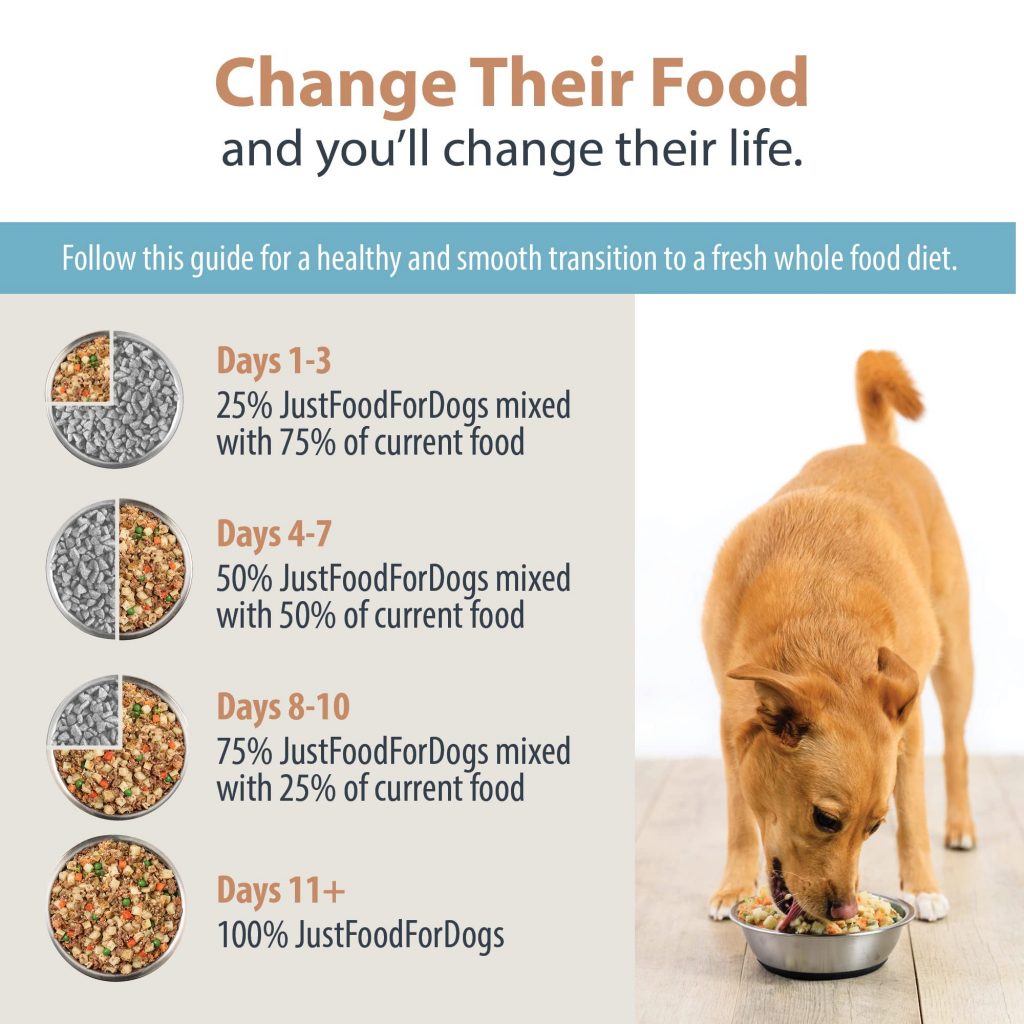
The safest way to transition your dog to a new food is to mix it gradually over 7 to 10 days.
Changing dog food can seem simple, but dogs often need time to adjust. A slow switch helps protect their stomach, reduces the chance of diarrhea or vomiting, and makes the change much easier for picky eaters. If you want to know how to transition your dog to a new food the right way, this guide walks you through each step with clear, practical advice.
Why changing dog food slowly matters
A dog’s digestive system likes routine. When food changes too fast, the gut can react with loose stool, gas, nausea, or a loss of appetite. That is why dog food transition is not just a nice idea. It is one of the simplest ways to prevent avoidable stomach upset.
I have seen this happen many times in real life. A pet parent gets excited about a new food, switches right away, and then spends the next two days cleaning up messes. The good news is that most of those problems are easy to avoid with a gradual dog food change.
A slow switch also gives you time to spot whether the new food truly agrees with your dog. If your dog has itching, soft stool, or less energy, you can notice the pattern before things get worse.
How to transition your dog to a new food step by step
The most common method is the 7 day dog food transition plan. It gives your dog’s gut time to adjust while keeping meals familiar enough to feel safe.
Use this simple dog food transition schedule:
- Days 1 and 2: 75% old food, 25% new food
- Days 3 and 4: 50% old food, 50% new food
- Days 5 and 6: 25% old food, 75% new food
- Day 7 and beyond: 100% new food
For dogs with sensitive stomachs, it often helps to stretch the change to 10 to 14 days. For dogs who have had repeated stomach issues, a slower pace may be the smarter choice.
A few tips make the process smoother:
• Keep meal times consistent, because routine helps reduce stress
• Measure each portion carefully, since “eyeballing it” can throw off the balance
• Avoid adding too many new treats during the switch, because that makes it hard to know what caused a reaction
• Watch stool quality each day, since that is one of the best signs of how the transition is going
Signs your dog is adjusting well
A good food transition should look calm and boring. That is actually what you want. Your dog should keep eating normally, have stable energy, and maintain firm stool.
Positive signs include:
• Normal or near normal poop
• Regular appetite
• No vomiting
• No unusual gas or bloating
• Normal energy and behavior
If the new food is working, your dog may seem totally unfazed by the change. That is usually the best outcome. In my experience, dogs that transition well often show only tiny changes, if any, and most owners barely notice the shift once the full change is complete.
When to slow down or pause the transition
Sometimes the dog food transition needs to move more slowly. That does not mean you did anything wrong. It just means your dog needs extra time.
Slow down if you notice:
• Loose stool lasting more than a day
• Vomiting
• Refusal to eat the new food
• Strong gas or stomach noise
• Scratching, ear redness, or other possible food sensitivity signs
If the symptoms are mild, you can go back to the previous ratio for a few days before trying again. If symptoms are severe or keep getting worse, contact your veterinarian. Persistent vomiting, blood in stool, swelling, or lethargy are not normal and need prompt medical attention.
Special cases: puppies, seniors, and sensitive dogs
Not every dog should follow the same transition speed. Age, health, and past digestive issues all matter.
Puppies often need stable nutrition because they grow fast, so sudden changes can be rough on their stomach. Seniors may have slower digestion or other health problems, so a gentle switch is often safer. Dogs with food allergies or chronic digestive problems may need a much more cautious plan.
Here are a few special considerations:
• Puppies: Keep the transition gradual and use a food made for growth if your vet recommends it
• Senior dogs: Watch appetite closely, since older dogs may be more sensitive to changes in smell and texture
• Sensitive stomach dogs: Try a 10 to 14 day transition, or longer if needed
• Dogs with allergies: Choose a food with a limited ingredient list if your vet suggests it
If your dog is on a prescription diet, always ask your veterinarian before changing anything. Those diets are often part of a treatment plan, not just daily feeding.
How to choose the right new food
A smooth transition starts with picking the right food in the first place. Not every formula is a good fit for every dog.
Look for a dog food that matches your dog’s:
• Life stage
• Size
• Activity level
• Health needs
• Ingredient tolerance
It also helps to choose a food with a clear nutrient profile and a reputable manufacturer. Look for an AAFCO nutritional adequacy statement on the label, because that indicates the food is formulated for complete and balanced nutrition for a specific life stage.
If possible, compare the old and new foods before switching. Big jumps in fat, fiber, or protein can make the transition harder. A gentler change often means choosing a new food that is closer in makeup to what your dog already eats.
Common mistakes people make when switching dog food
The transition process sounds easy, but a few common mistakes can cause problems.
Some of the biggest mistakes are:
• Switching too fast, which can upset digestion
• Mixing in too many treats or table scraps
• Ignoring stool changes for too long
• Changing food right before travel or boarding
• Starting the switch during another stressful event, like a move or a vet visit
One mistake I see often is trying a new food and several new treats at the same time. That makes it impossible to tell what is helping or hurting. Keep the rest of your dog’s routine as steady as possible while you transition dog food.
What to do if your dog refuses the new food
Some dogs are creatures of habit. They notice changes fast and may sniff the bowl like you’ve insulted them personally. That does not always mean the food is bad.
If your dog refuses the new food, try these simple steps:
• Warm the food slightly to bring out the smell
• Add a little warm water to soften kibble
• Mix the food more thoroughly so it smells familiar
• Reduce treats for a few days so appetite stays focused on meals
• Give the change a little more time if your dog is otherwise acting normal
If your dog still refuses the food for several days, talk with your vet. A sudden appetite change can sometimes point to pain, nausea, or another health issue.
Benefits of a proper dog food transition
A careful transition does more than protect the stomach. It can also help you make smarter feeding decisions long term.
Main benefits include:
• Less digestive upset
• Better acceptance of the new food
• Easier detection of food intolerance
• More stable energy and stool quality
• Lower stress for both dog and owner
Think of it like easing into cold water instead of jumping in. Your dog adjusts more comfortably, and you get a better sense of whether the new food is truly a good fit.
A simple transition example
Let’s say your dog eats one cup of food per meal. During the first two days, you would serve three quarters of a cup of the old food and one quarter cup of the new food.
Then you would move to half and half, then a quarter old food and three quarters new food, and finally all new food. This keeps the change predictable, which is helpful for dogs and for people too.
For dogs with extra sensitive stomachs, I often suggest staying at each stage a little longer. There is no prize for rushing. The goal is comfort, consistency, and a healthy belly.
Frequently Asked Questions of How to Transition Your Dog to a New Food
How long does it take to transition a dog to new food?
Most dogs do well with a 7 to 10 day transition. Dogs with sensitive stomachs may need 10 to 14 days or longer.
Can I switch my dog’s food overnight?
It is not recommended unless your veterinarian tells you to do it for a medical reason. A sudden switch can cause vomiting, diarrhea, or refusal to eat.
What if my dog gets diarrhea during the transition?
Go back to the previous food ratio for a couple of days and slow the process down. If diarrhea is severe, lasts more than 24 hours, or comes with vomiting or blood, contact your veterinarian.
Can I mix wet and dry food during the transition?
Yes, as long as both foods are part of the new feeding plan and your dog tolerates them well. Just remember that the total amount of food still matters, so keep portions balanced.
How do I know if the new food is causing a problem?
Watch for soft stool, vomiting, gas, itching, ear irritation, or a drop in appetite. If these signs appear soon after the food change and keep happening, the new diet may not be a good match.
Conclusion
Transitioning your dog to a new food is really about patience and observation. A slow switch gives your dog’s digestive system time to adapt and helps you spot problems before they become bigger issues. When you follow a steady dog food transition plan, you make the change safer, easier, and much less stressful.
If you are planning to switch foods soon, take it one step at a time and keep your dog’s routine as steady as possible. When in doubt, your veterinarian can help you choose the best food and the right transition pace. If this guide helped, explore more pet nutrition tips or leave a comment with your own food transition experience.