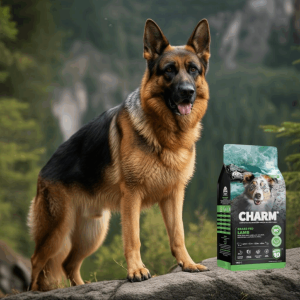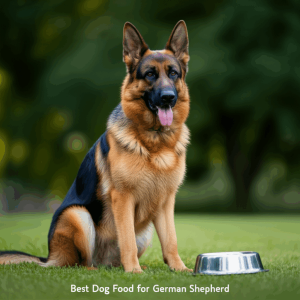
The best German Shepherd dog food is a complete, balanced formula matched to age, size, health, and activity.
Choosing the best German Shepherd dog food is not just about picking a popular brand or the bag with the biggest protein number. German Shepherds are large, active dogs that may face sensitive digestion, food allergies, joint stress, and a higher risk of bloat. This guide explains how to compare formulas, read labels, choose the right food for each life stage, and avoid common feeding mistakes.
What makes the best German Shepherd dog food?
The best German Shepherd dog food meets the nutritional standards set for your dog’s life stage and supports steady growth, lean muscle, healthy joints, and good digestion. It should come from a company with strong quality control and clear feeding guidance.
Look for a food labeled “complete and balanced” for the correct life stage. This statement means the food is designed to provide the nutrients dogs need when fed as directed.
A good formula usually includes:
• Named animal protein, such as chicken, turkey, beef, lamb, salmon, or fish
• Enough fat to support energy, skin, and coat health
• Digestible carbohydrates, such as rice, oats, barley, potatoes, or sweet potatoes
• Fiber to support regular stools
• Omega-3 fatty acids from fish oil or another reliable source
• Calcium and phosphorus in suitable amounts
• Vitamins and minerals added in proper balance
• Calorie levels that help maintain a lean body
The best German Shepherd dog food does not need to be grain-free, extremely high in protein, or made only from fresh meat. Those claims may sound appealing, but they do not prove that a diet is complete, safe, or better for your dog.
A useful rule is simple: choose nutrition over marketing. Words such as “natural,” “ancestral,” and “premium” are not the same as evidence of quality.
German Shepherd nutrition needs by life stage
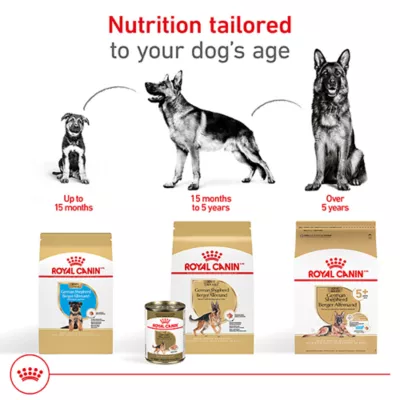
A German Shepherd puppy needs different food from an adult or senior dog. Feeding the same formula throughout life can lead to too many calories or an incorrect mineral balance.
German Shepherd puppies
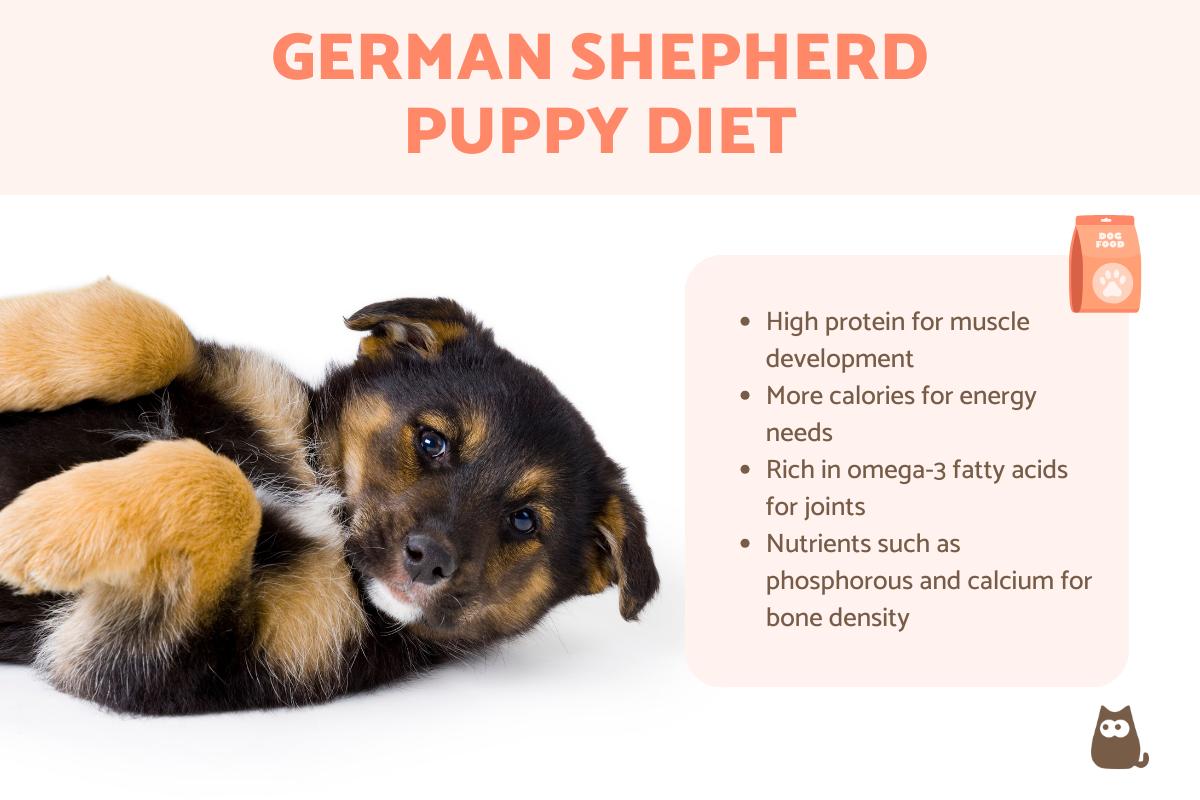
Puppies grow fast, but faster growth is not always healthier growth. Large-breed puppies need controlled calcium, phosphorus, calories, and fat to help protect developing bones and joints.
Choose food labeled for:
• Large-breed growth
• Growth of large-size dogs
• All life stages that specifically meets large-breed puppy needs
Avoid adding calcium supplements unless your veterinarian prescribes them. Extra calcium can disturb bone development.
Feed a German Shepherd puppy several small meals each day. Most puppies do well with three meals daily when young, then two meals as they mature. Keep your puppy slim enough that you can feel the ribs under a light layer of fat.
Adult German Shepherds
Adult dogs need food that maintains muscle without adding excess weight. Many adult German Shepherds thrive on a diet with moderate to high protein, moderate fat, and enough fiber for firm stools.
An adult German Shepherd that works, hikes, or trains often may need more calories than a calm house dog. However, activity can change from week to week, so adjust portions based on body condition rather than the bowl alone.
Senior German Shepherds
Senior dogs may need fewer calories but still require high-quality protein. Protein helps preserve muscle as dogs age.
A senior formula may also provide more joint support, fiber, or nutrients that support healthy aging. Your veterinarian may suggest blood tests before changing food, especially if your dog has kidney, liver, heart, or digestive disease.
Should the best German Shepherd dog food be grain-free?
Grain-free food is not automatically better for German Shepherds. Many dogs digest grains such as rice, oats, and barley very well, and these ingredients can provide useful carbohydrates and fiber.
The concern is not that every grain-free food is harmful. The concern is that some diets with large amounts of peas, lentils, chickpeas, or potatoes have been linked with reports of diet-associated heart disease in dogs. The exact cause is still being studied, and diet may not be the only factor.
For this reason, do not choose grain-free food simply because it sounds cleaner or more natural. Ask your veterinarian before using it, especially if the food relies heavily on legumes or unusual ingredients.
The best German Shepherd dog food is the one that provides balanced nutrition and suits your dog’s medical history. A dog with a confirmed grain allergy is uncommon, but a veterinarian can help test that possibility safely.

Best food types for German Shepherds
Dry food, wet food, fresh food, and combination feeding can all work. The right choice depends on your dog’s health, budget, preferences, and daily routine.
Dry dog food
Dry food is convenient, easy to measure, and often less expensive. It can also help some owners keep a consistent feeding schedule.
Choose a large-breed formula when possible. Check the calorie content because two foods with the same serving size may provide very different calories.
Wet dog food
Wet food contains more water and may help dogs that drink little or have poor appetite. It is also useful for older dogs with dental pain.
The drawbacks include higher cost, shorter storage life, and the need to measure portions carefully. Wet food is not always lower in calories.
Fresh or gently cooked food
Fresh food may be appealing to picky eaters, but the label still matters. It must be complete and balanced for the correct life stage.
Some fresh diets are intended only as toppers. If you feed them as the main diet, check that they meet established nutritional standards.
Raw food
Raw diets carry risks from harmful bacteria, bone injuries, nutrient imbalance, and cross-contamination in the home. Puppies, older dogs, pregnant people, and people with weak immune systems may face greater risk from bacterial exposure.
If you are considering raw feeding, discuss it with a veterinary nutrition professional. Do not assume that raw meat alone is a complete diet.
Ingredients to look for in the best German Shepherd dog food
The ingredient list can offer useful clues, but it must be read with the guaranteed analysis and nutritional statement. Ingredients are listed by weight, including water, so the first ingredient does not tell the whole story.
Helpful ingredients may include:
• Named meat or fish for animal protein
• Fish oil for EPA and DHA omega-3 fatty acids
• Beet pulp or other safe fiber sources for stool quality
• Prebiotics that support helpful gut bacteria
• Glucosamine and chondroitin as possible joint-support ingredients
• Vitamin E and other antioxidants
• Controlled levels of calcium and phosphorus for growing dogs
Do not reject a food because it contains by-products. Some by-products can provide valuable nutrients. The key issue is whether the complete formula is safe, balanced, digestible, and made under strong quality controls.
Also, do not judge a food by its ingredient list alone. Nutrients must be available to the dog, not just listed on the package. Feeding trials, digestibility testing, manufacturing standards, and veterinary oversight add important context.

How much should a German Shepherd eat?
There is no single portion that fits every German Shepherd. Age, weight, sex, activity, metabolism, neutering status, and health all affect calorie needs.
Start with the feeding chart on the package, then adjust slowly. Measure food with a standard measuring cup or, even better, a kitchen scale.
Use these signs to check body condition:
• You should be able to feel the ribs without pressing hard
• The waist should be visible when viewed from above
• The abdomen should tuck upward behind the ribs
• Your dog should have good energy without constant hunger or sluggishness
Treats should usually provide no more than about 10 percent of daily calories. Reduce meal portions when treats, table scraps, or food-based training rewards increase.
German Shepherds can gain weight quietly under a thick coat. Weigh your dog every few weeks and ask your veterinarian to assess body condition during routine visits.
Feeding habits that may reduce bloat risk
German Shepherds are among the large, deep-chested breeds that may be at risk for gastric dilatation-volvulus, commonly called bloat. Bloat is an emergency that can become fatal quickly.
Food alone cannot guarantee prevention. Still, sensible feeding habits may help reduce risk:
• Feed two or three smaller meals instead of one large meal
• Avoid intense exercise before and after meals
• Slow down dogs that gulp food
• Keep fresh water available, but avoid forcing large amounts at once
• Use a slow feeder if your veterinarian agrees it is suitable
• Ask your veterinarian about preventive gastropexy for dogs at higher risk
Warning signs include a swollen belly, repeated unproductive retching, restlessness, drooling, weakness, pale gums, or collapse. Seek emergency veterinary care immediately if these signs appear.
Do not rely on raised bowls as a bloat prevention method. Evidence does not show that elevated feeding is universally safer, and some research has raised concerns about its use in certain large breeds.
Best German Shepherd dog food for common health concerns
The best German Shepherd dog food may change when health problems appear. A food that suits a healthy adult may be wrong for a dog with allergies, chronic diarrhea, or joint disease.
Sensitive stomach
For loose stools or gas, choose a highly digestible formula and avoid frequent food changes. A veterinarian may recommend a limited-ingredient diet, a hydrolyzed protein diet, probiotics, or additional tests.
Persistent diarrhea, vomiting, weight loss, blood in the stool, or poor appetite needs veterinary attention.
Food allergies
True food allergies can cause itching, ear infections, paw licking, vomiting, or diarrhea. Common triggers include proteins such as beef, chicken, or dairy, but any protein can cause a reaction.
The reliable way to investigate a food allergy is a veterinary elimination diet followed by a controlled challenge. Store-bought “limited ingredient” foods may contain traces of other proteins, so they are not always suitable for a strict diagnostic trial.
Joint support
Keeping your German Shepherd lean is one of the most helpful steps for joint health. Some diets include omega-3 fatty acids, glucosamine, or chondroitin, but supplements and food cannot cure every orthopedic condition.
A dog with limping, stiffness, or trouble rising should receive a veterinary exam. Early care can prevent a small problem from becoming a lasting one.
Skin and coat problems
Dry skin and shedding can result from allergies, parasites, infection, low humidity, or an unbalanced diet. A food rich in essential fatty acids may help some dogs, but it will not fix every skin problem.
Avoid adding oils without checking calories. Extra fat can cause weight gain and may upset the stomach.
How to switch to a new food
A slow transition is one of the easiest ways to prevent stomach upset. Sudden changes can cause diarrhea even when the new food is excellent.
Use this seven-day plan:
Days 1 and 2: Feed 75 percent old food and 25 percent new food.
Days 3 and 4: Feed 50 percent old food and 50 percent new food.
Days 5 and 6: Feed 25 percent old food and 75 percent new food.
Day 7: Feed 100 percent new food.
Some sensitive dogs need a transition lasting two weeks or longer. Slow down if your dog develops loose stools, vomiting, or refuses food.
One practical lesson is to change only one major variable at a time. If you switch food, add supplements, and introduce new treats on the same day, you will not know what caused a reaction.
Common mistakes when choosing German Shepherd food
Many feeding problems come from good intentions. Owners often focus on impressive package claims while missing basic nutrition details.
Avoid these mistakes:
• Choosing food only because meat is the first ingredient
• Picking grain-free food without a medical reason
• Feeding a puppy an adult formula
• Adding calcium to a complete puppy diet
• Ignoring calorie density
• Changing food too often
• Giving too many treats or table scraps
• Trusting online ratings more than veterinary advice
• Using homemade food without a recipe from a veterinary nutrition professional
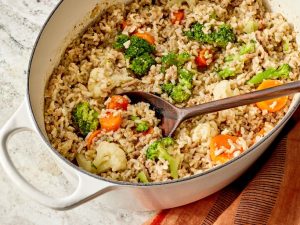
Homemade diets can work when carefully formulated and followed. Improvised recipes made from meat, rice, and vegetables often lack calcium, iodine, zinc, vitamin D, or other key nutrients.
The best German Shepherd dog food is not always the most expensive option. A moderately priced food from a transparent, reputable company may be a better choice than a costly formula built around marketing.
How to compare dog food brands
A trustworthy company should provide clear answers about its food. Look for information about who formulates the diet, where it is made, and how it tests finished products.
Useful questions include:
• Does the food meet recognized nutritional standards?
• Is it made for puppies, adults, seniors, or all life stages?
• Does the company employ qualified nutrition experts?
• Does it test for nutrient levels and harmful contaminants?
• Can the company provide calorie information?
• Does it maintain clear customer and recall communication?
Package claims can be confusing. “Intermittent or supplemental feeding only” means the food is not designed to be the main diet. “With chicken” may mean only a small amount of chicken is included.
Veterinary nutrition guidance is especially important for puppies, pregnant dogs, dogs with chronic illness, and dogs that need a prescription diet.
Frequently asked questions
What is the best German Shepherd dog food for puppies?
The best German Shepherd dog food for puppies is a complete and balanced large-breed growth formula. It should provide controlled calories and appropriate calcium and phosphorus without added supplements unless prescribed by a veterinarian.
Is high-protein food best for German Shepherds?
German Shepherds need adequate protein to support muscle, but the highest protein number is not automatically best. Overall balance, digestibility, calorie control, and food quality matter more than one number on the label.
Can German Shepherds eat grain-free food?
Some German Shepherds can eat grain-free food, but there is no general need to avoid grains. Discuss grain-free diets with your veterinarian, particularly when peas, lentils, chickpeas, or potatoes make up a large part of the formula.
How often should I feed my German Shepherd?
Most adult German Shepherds do well with two measured meals per day. Puppies often need three meals, while dogs with special needs may require a different schedule recommended by a veterinarian.
What food helps a German Shepherd with a sensitive stomach?
A highly digestible diet with a consistent protein source may help, but repeated stomach problems need veterinary evaluation. Your veterinarian may recommend a therapeutic, limited-ingredient, or hydrolyzed diet.
Should I feed wet food or dry food to my German Shepherd?
Both can be suitable if the food is complete and balanced. Dry food is convenient and easy to measure, while wet food adds moisture and may suit dogs with dental or appetite concerns.
How can I tell if my German Shepherd is overweight?
You should be able to feel the ribs under a thin layer of fat, see a waist from above, and notice an abdominal tuck from the side. A veterinarian can confirm body condition and calculate a safer calorie goal.
Conclusion
The best German Shepherd dog food is a complete, balanced diet that fits your dog’s age, body condition, activity, and health needs. Prioritize large-breed puppy nutrition during growth, lean body weight throughout life, careful portions, steady food changes, and trustworthy manufacturing standards.
Start by checking the nutritional statement, calorie content, life-stage label, and your dog’s body condition. Then review your choice with a veterinarian if your German Shepherd has allergies, digestive trouble, joint pain, or another health concern. Use this guide to make a thoughtful food choice, and share your dog’s feeding experience or questions in the comments.